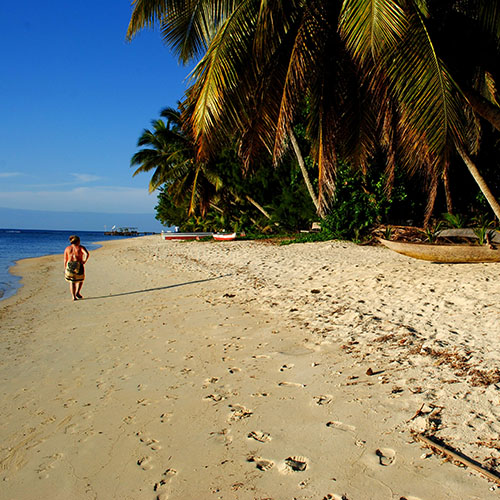



A haven of greenery, the east coast of Madagascar is full of exceptional sites for lovers of seaside and ecological tourism. With its magnificent beaches, nature reserves, profusion of tropical fruits and the Pangalanes canal, the province of Toamasina is a destination particularly appreciated by nature lovers. On the fringe of this coast is also the island of Sainte Marie, with her romantic history and the possibility of observing humpback whales up close.
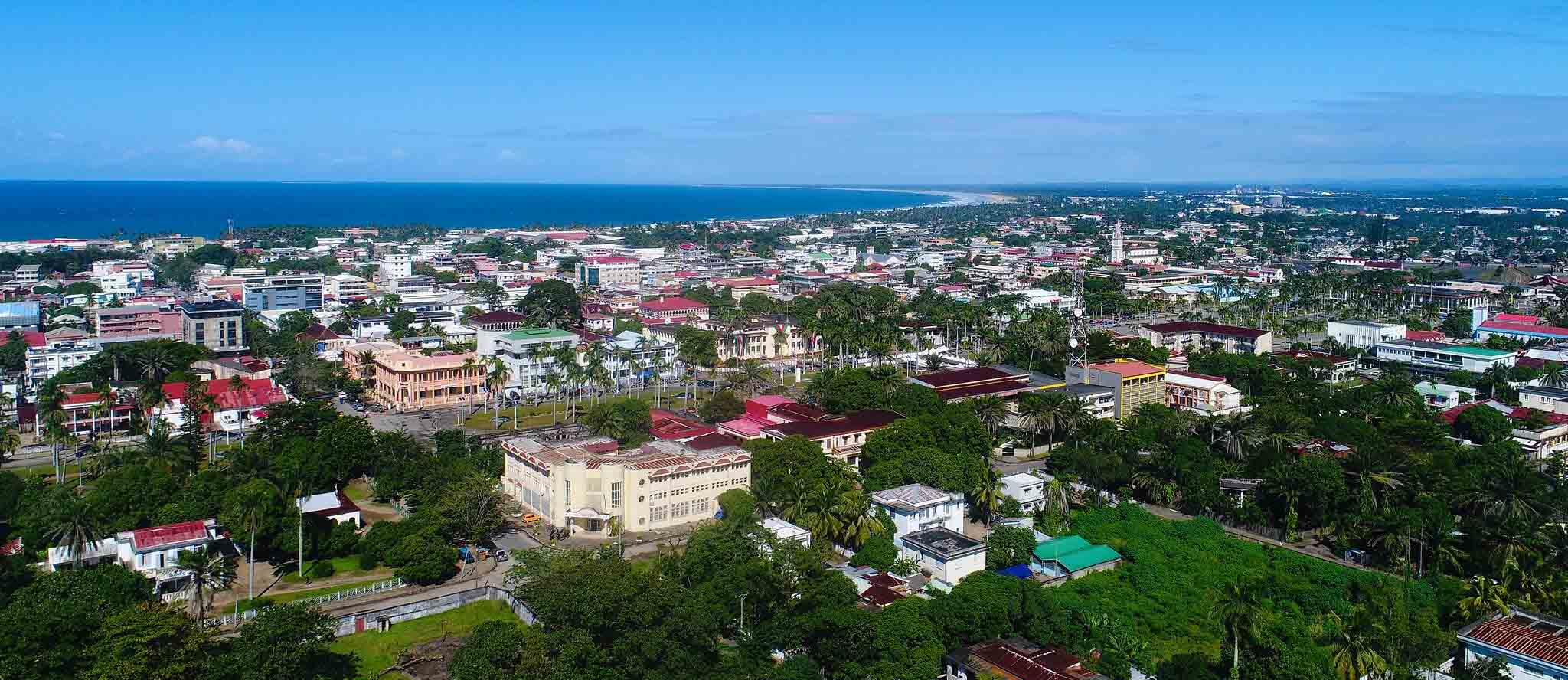
Toamasina (commonly known as Tamatave) is Madagascar’s second city, the site of the most important national seaport, is a busy coastal city with many economic activities. Being tropical, it is a hub for spices and tropical fruits, the famous lychees being exported to Europe every year. It is the jump-off point for south-bound trips down the Pangalanes Canal, or north-bound to the port that leads you to Sainte Marie Island, and for the most intrepid travellers, it is the departure point heading north on the treacherous National Highway 5 (RN5).
Learn about the main places to visit, when to go and how to get there with our in-depth guides.
Select a title to show content
Toamasina – also known by its French name Tamatave – is the second largest city in Madagascar. Equally accessible by road and air, the city perfectly combines urban modernity and summer exoticism. Besides its beaches, markets and hotels, Tamatave has a good number of historical sites, such as the pirate lair of Ivondro, the waterfalls of Farafaty, and the zoo of Ivoloina.
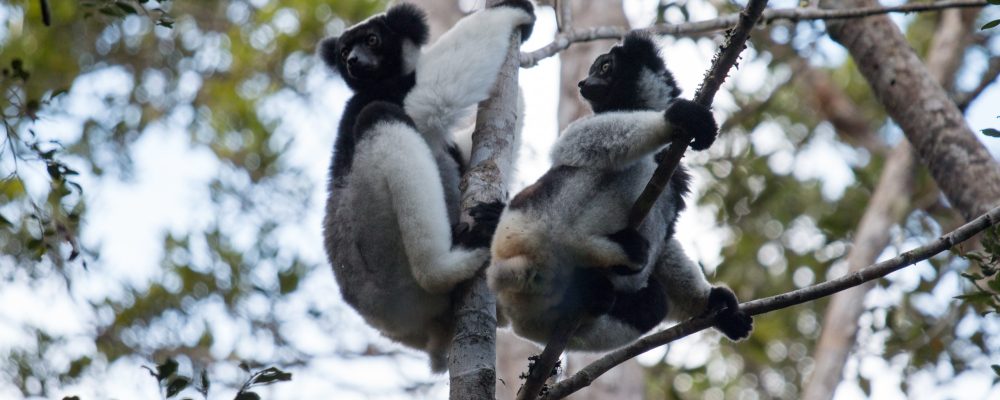
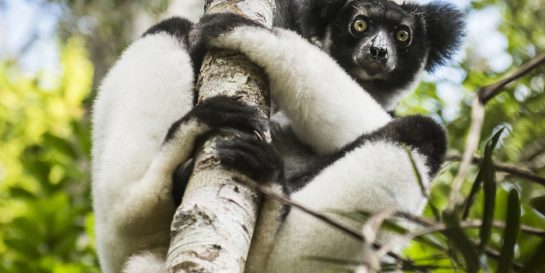
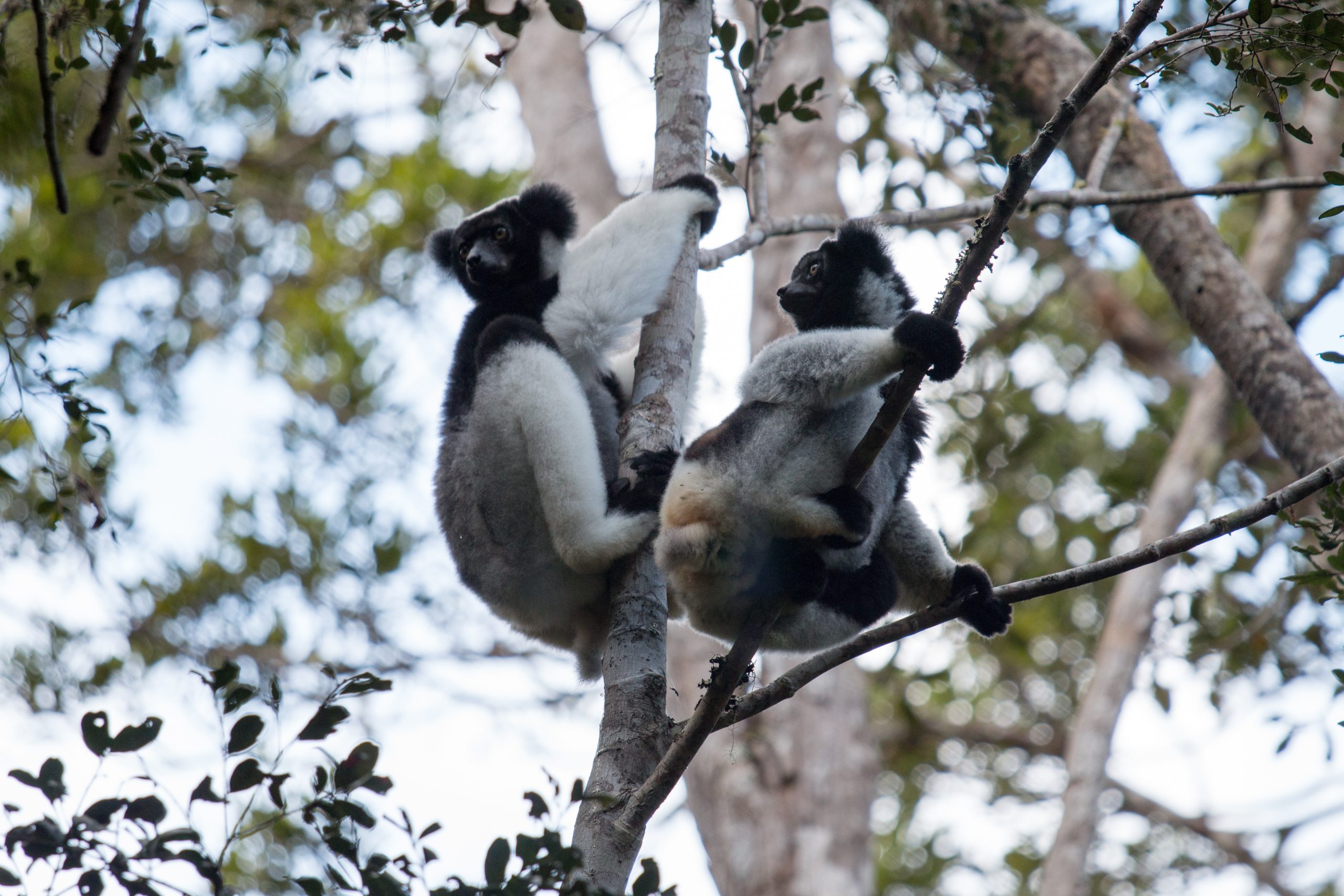
Andasibe is one of the most visited tourist areas in Madagascar. Regardless of that, we still consider it to be a “must see” due to the close proximity to Antananarivo (4 hours drive) and the fantastic up close and personal experiences that are possible with our largest lemur, the Indri. From the special reserve of Analamazaotra to the trail of the “Hazo tsy fantatra” (or unknown tree), every corner is important and worth a visit.
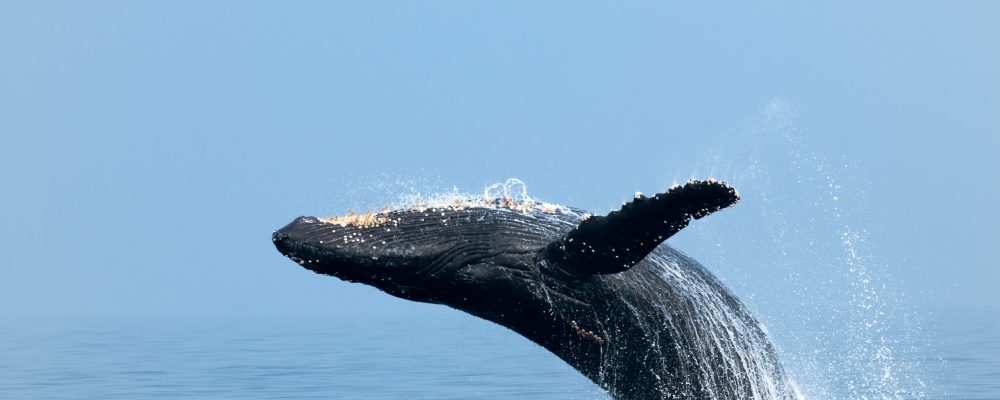
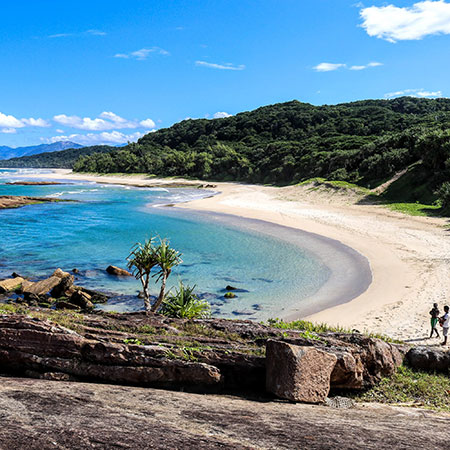
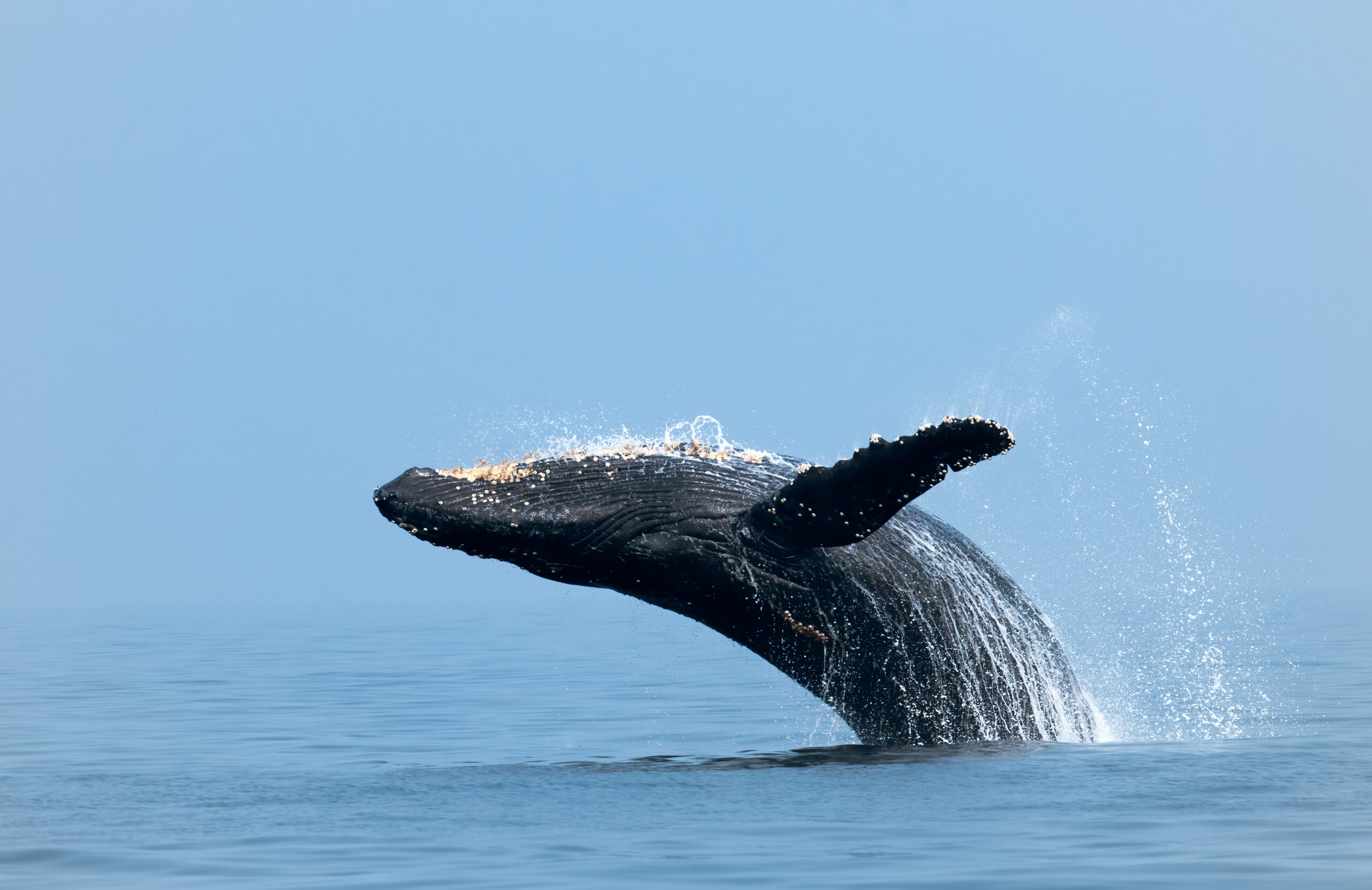
Nosy Boraha – which is better known as the island of Sainte Marie – is a unique jewel in the Indian Ocean. Sainte Marie is more or less split in two by the road that heads from the airport in the south to the township and port. The hotels on the west coast are more easily accessible, but the less accessible hotels on the east coast have arguably much nice beaches. Among its notable attractions, Sainte Marie has a history closely linked to piracy, and the pirate cemetery is a short visit worth stopping for if you are intrigued by history.
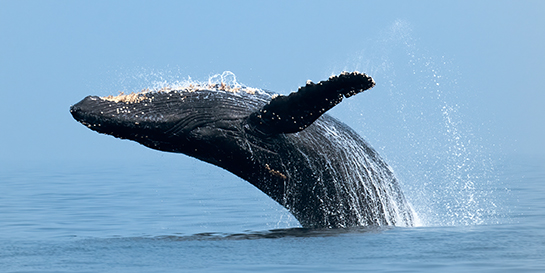
The island offers luxurious hotels, paradisiacal beaches and seaside activities such as diving and humpback whale watching. The way of life on Sainte Marie is peaceful and slow, but, if you really want to get away from it all, the tiny island at the far south of Sainte Marie, the Ile aux Nattes, is a perfect Robinson Crusoe barefoot adventure destination, for those who want peace and quiet on a superb tropical island with no roads and no cars.
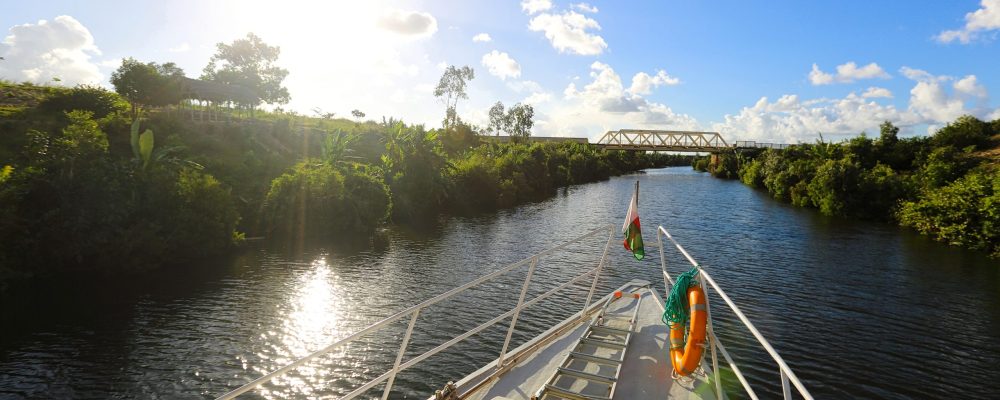
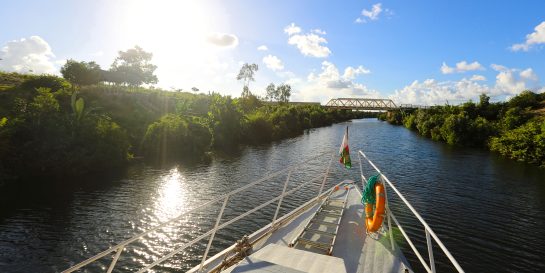
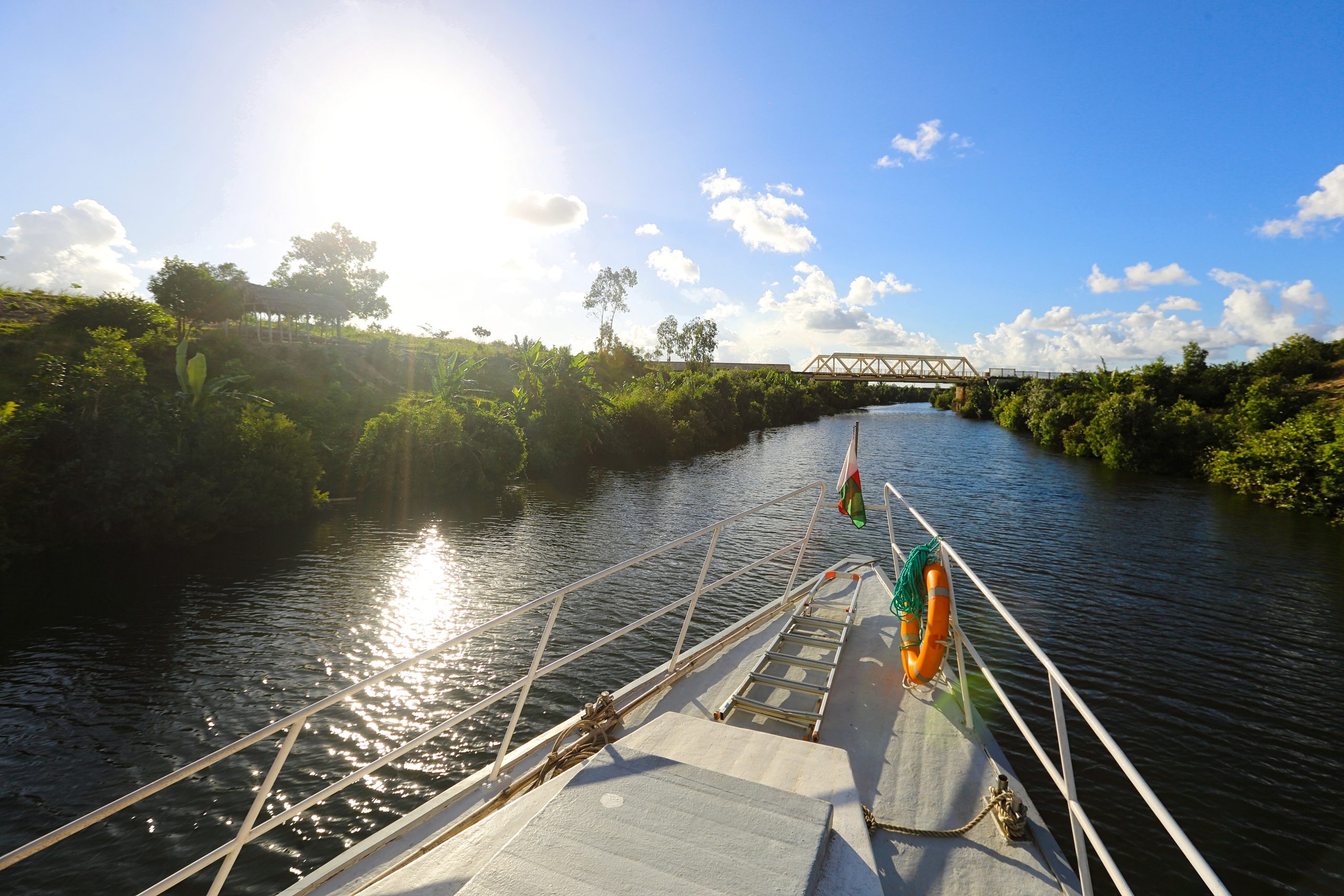
700 kilometers long, the Pangalanes Canal is a legacy of Madagascar’s colonial past. Originally intended to serve as a waterway for the transport of goods, the canal still offers the possibility of traveling by canoe or speedboat in order to admire the typical landscape of the country’s east coast and to visit its small fishing villages.
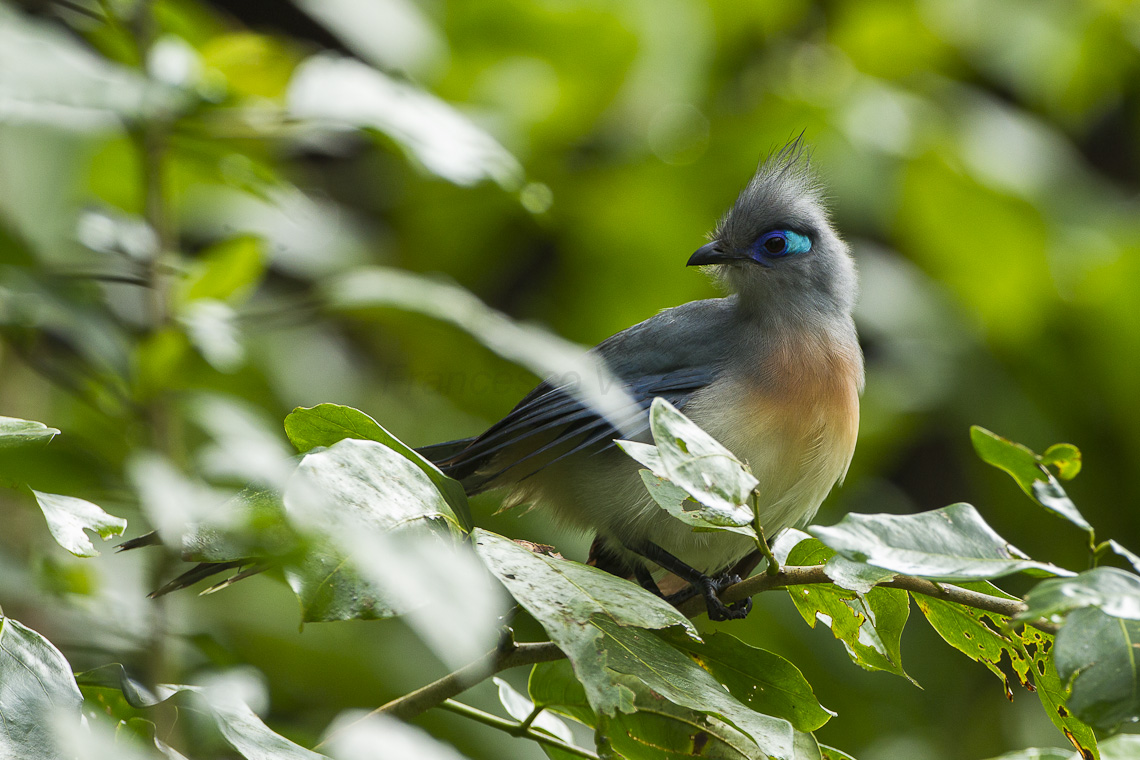
Notable along the canal is a hotel that has proved to be a favourite for a very long time, the Palmarium Hotel and Reserve. The hotel is surrounded by forest, and lemurs wander into the restaurant and public areas of the hotel. It is also a place to see the elusive Aye-Aye, strangest of Madagascar’s lemurs.
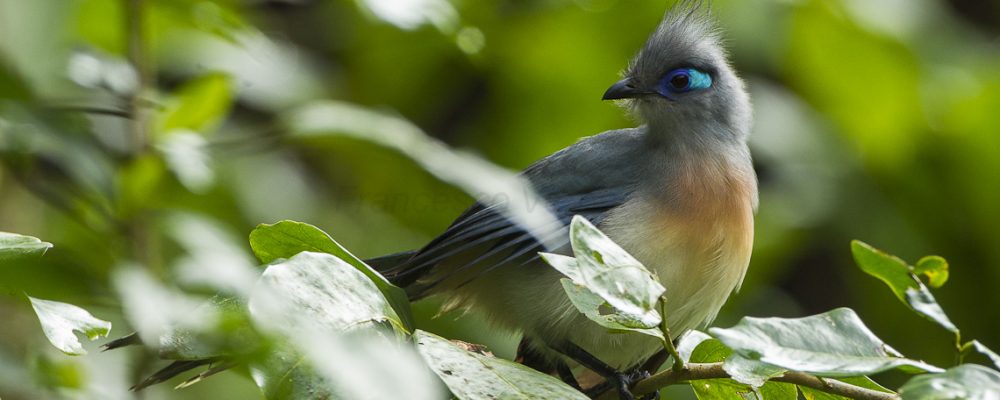
Masoala National Park is a protected nature reserve in the heart of a vast mangrove and tropical rainforest located in the northeast of the country. As the largest nature reserve on the Big Island, the park is home to many animals, including many endemic species such as lemurs, geckos and owls. A wide variety of hiking and trekking programs are available to visit this UNESCO World Heritage site. It does require a little time to properly visit Masoala and we recommend allocating at least five days to the adventure of getting there and back.
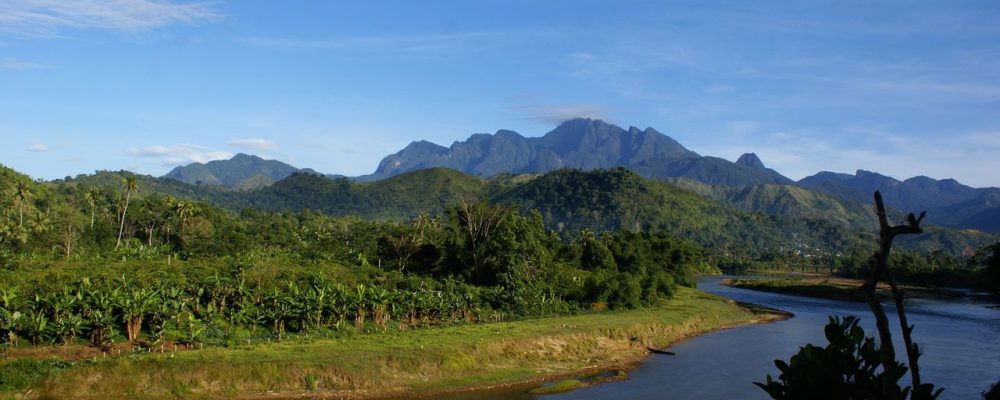
With its rugged mountain landscapes nestled in lush vegetation, Marojejy National Park still stands out for its unique flora and fauna in a country where a large majority of plants and animals are endemic. The vast majority of the wildlife in the reserve is endemic to the region. In addition, the forest is so dense that scientists believe that some species in the area have not yet been discovered.
A trip to Marojejy is not for the faint hearted. First you need to get to Sambava, then transfer to the foot of the mountains, then you can choose between one to three day adventures. To reach the peak, you will need to allocate around five or six days, including travel to and from Sambava.
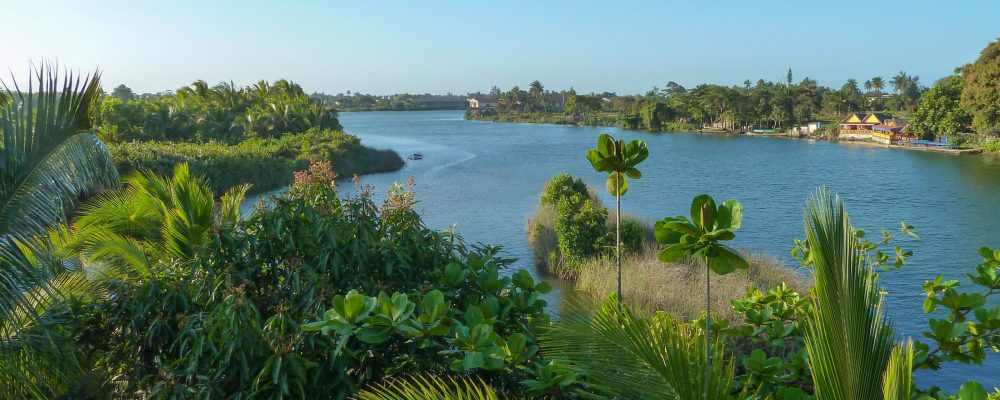
Located in the southeast of the Red Island, Manakara is a sleepy but picturesque port town renowned for endless beaches and the decaying remains of its colonial past. Beautiful old colonial relics, long ago battered by cyclones and abandoned, remain on the foreshore. It is the end of the road from Ranomafana, but you can divert to visit the Pangalanes Canal at Mananjary and take a leisurely boat trip heading north up the Pangalanes to Toamasina from there. Discovering the daily life of the villagers – who practice pirogue fishing on the high seas – is also on the list of its attractions.
Toamasina – also known by its French name Tamatave – is the second largest city in Madagascar. Equally accessible by road and air, the city perfectly combines urban modernity and summer exoticism. Besides its beaches, markets and hotels, Tamatave has a good number of historical sites, such as the pirate lair of Ivondro, the waterfalls of Farafaty, and the zoo of Ivoloina.
Andasibe is one of the most visited tourist areas in Madagascar. Regardless of that, we still consider it to be a “must see” due to the close proximity to Antananarivo (4 hours drive) and the fantastic up close and personal experiences that are possible with our largest lemur, the Indri. From the special reserve of Analamazaotra to the trail of the “Hazo tsy fantatra” (or unknown tree), every corner is important and worth a visit.
Nosy Boraha – which is better known as the island of Sainte Marie – is a unique jewel in the Indian Ocean. Sainte Marie is more or less split in two by the road that heads from the airport in the south to the township and port. The hotels on the west coast are more easily accessible, but the less accessible hotels on the east coast have arguably much nice beaches. Among its notable attractions, Sainte Marie has a history closely linked to piracy, and the pirate cemetery is a short visit worth stopping for if you are intrigued by history.
The island offers luxurious hotels, paradisiacal beaches and seaside activities such as diving and humpback whale watching. The way of life on Sainte Marie is peaceful and slow, but, if you really want to get away from it all, the tiny island at the far south of Sainte Marie, the Ile aux Nattes, is a perfect Robinson Crusoe barefoot adventure destination, for those who want peace and quiet on a superb tropical island with no roads and no cars.
700 kilometers long, the Pangalanes Canal is a legacy of Madagascar’s colonial past. Originally intended to serve as a waterway for the transport of goods, the canal still offers the possibility of traveling by canoe or speedboat in order to admire the typical landscape of the country’s east coast and to visit its small fishing villages.
Notable along the canal is a hotel that has proved to be a favourite for a very long time, the Palmarium Hotel and Reserve. The hotel is surrounded by forest, and lemurs wander into the restaurant and public areas of the hotel. It is also a place to see the elusive Aye-Aye, strangest of Madagascar’s lemurs.
Masoala National Park is a protected nature reserve in the heart of a vast mangrove and tropical rainforest located in the northeast of the country. As the largest nature reserve on the Big Island, the park is home to many animals, including many endemic species such as lemurs, geckos and owls. A wide variety of hiking and trekking programs are available to visit this UNESCO World Heritage site. It does require a little time to properly visit Masoala and we recommend allocating at least five days to the adventure of getting there and back.
With its rugged mountain landscapes nestled in lush vegetation, Marojejy National Park still stands out for its unique flora and fauna in a country where a large majority of plants and animals are endemic. The vast majority of the wildlife in the reserve is endemic to the region. In addition, the forest is so dense that scientists believe that some species in the area have not yet been discovered.
A trip to Marojejy is not for the faint hearted. First you need to get to Sambava, then transfer to the foot of the mountains, then you can choose between one to three day adventures. To reach the peak, you will need to allocate around five or six days, including travel to and from Sambava.
Located in the southeast of the Red Island, Manakara is a sleepy but picturesque port town renowned for endless beaches and the decaying remains of its colonial past. Beautiful old colonial relics, long ago battered by cyclones and abandoned, remain on the foreshore. It is the end of the road from Ranomafana, but you can divert to visit the Pangalanes Canal at Mananjary and take a leisurely boat trip heading north up the Pangalanes to Toamasina from there. Discovering the daily life of the villagers – who practice pirogue fishing on the high seas – is also on the list of its attractions.