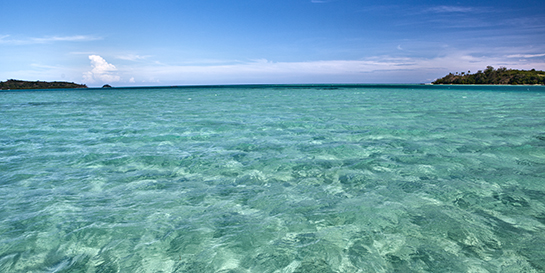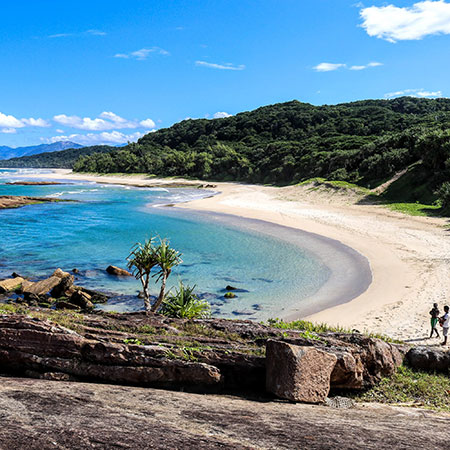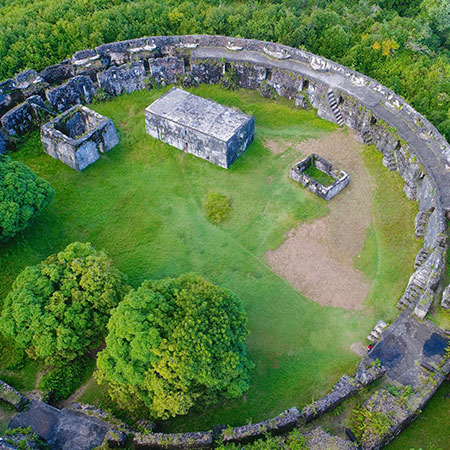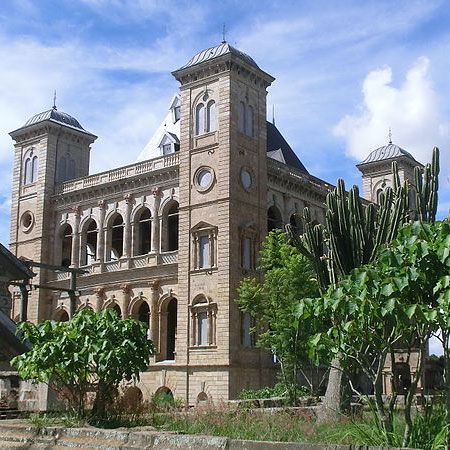



Antsiranana, known as Diego Suarez until 1975 and still called Diego by many, is the capital of Madagascar’s north. Diego boasts one of the world’s most beautiful deep-water harbors, complete with the photogenic Sugarloaf Mountain, and it is probably the most French (and increasingly Italian) city in Madagascar. Diego has a huge market, a range of good restaurants, and some fantastic attractions and national parks to visit nearby. It is the kite-surf capital of Madagascar.
Learn about the main places to visit, when to go and how to get there with our in-depth guides.
Select a title to show content
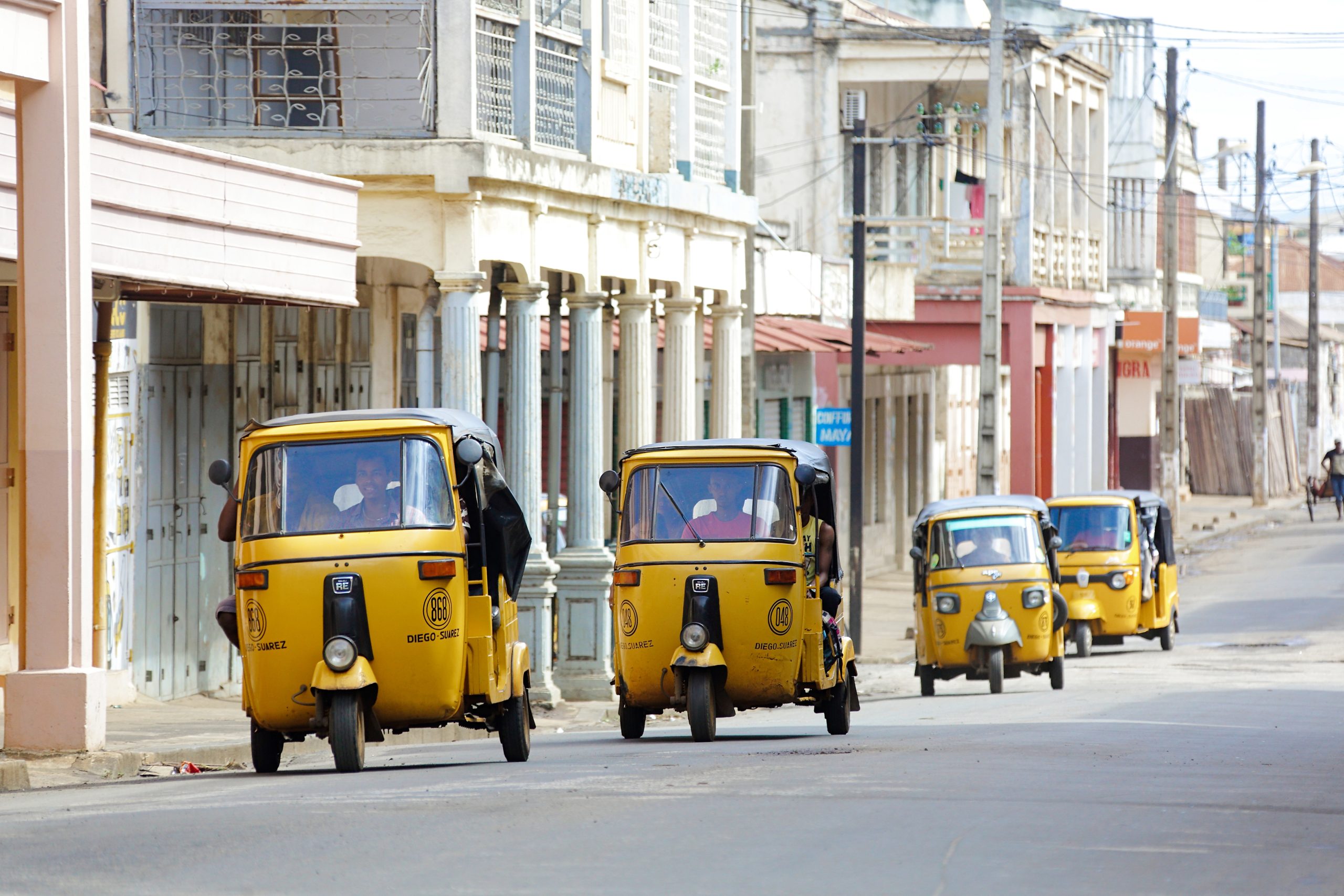
The city of Antsiranana (more commonly known as Diego-Suarez or just Diego) is the largest in northern Madagascar. Historically a French garrison and naval base, the city boasts more colonial-style buildings and architecture than other cities in Madagascar. As the regional hub in the north, it has regular domestic flights from the capital, and is often the start/end point for tours of Northern Madagascar. The town also has a number of good restaurants (focusing on French cuisine and seafood), and a lively nightlife.
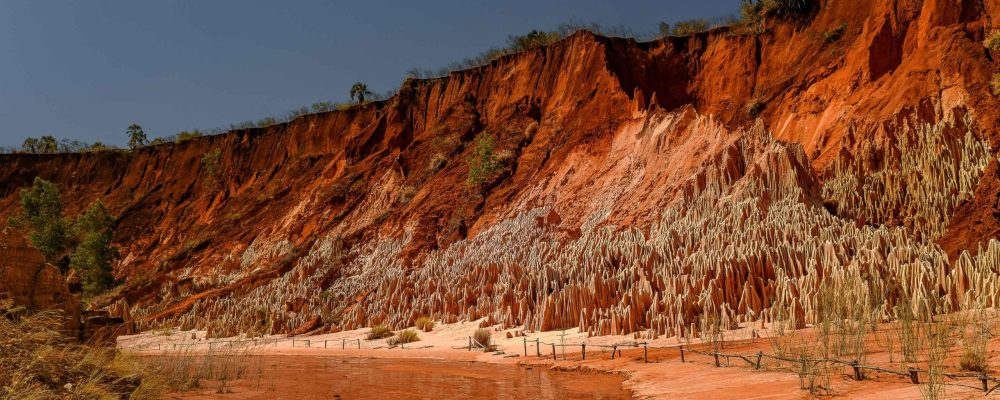
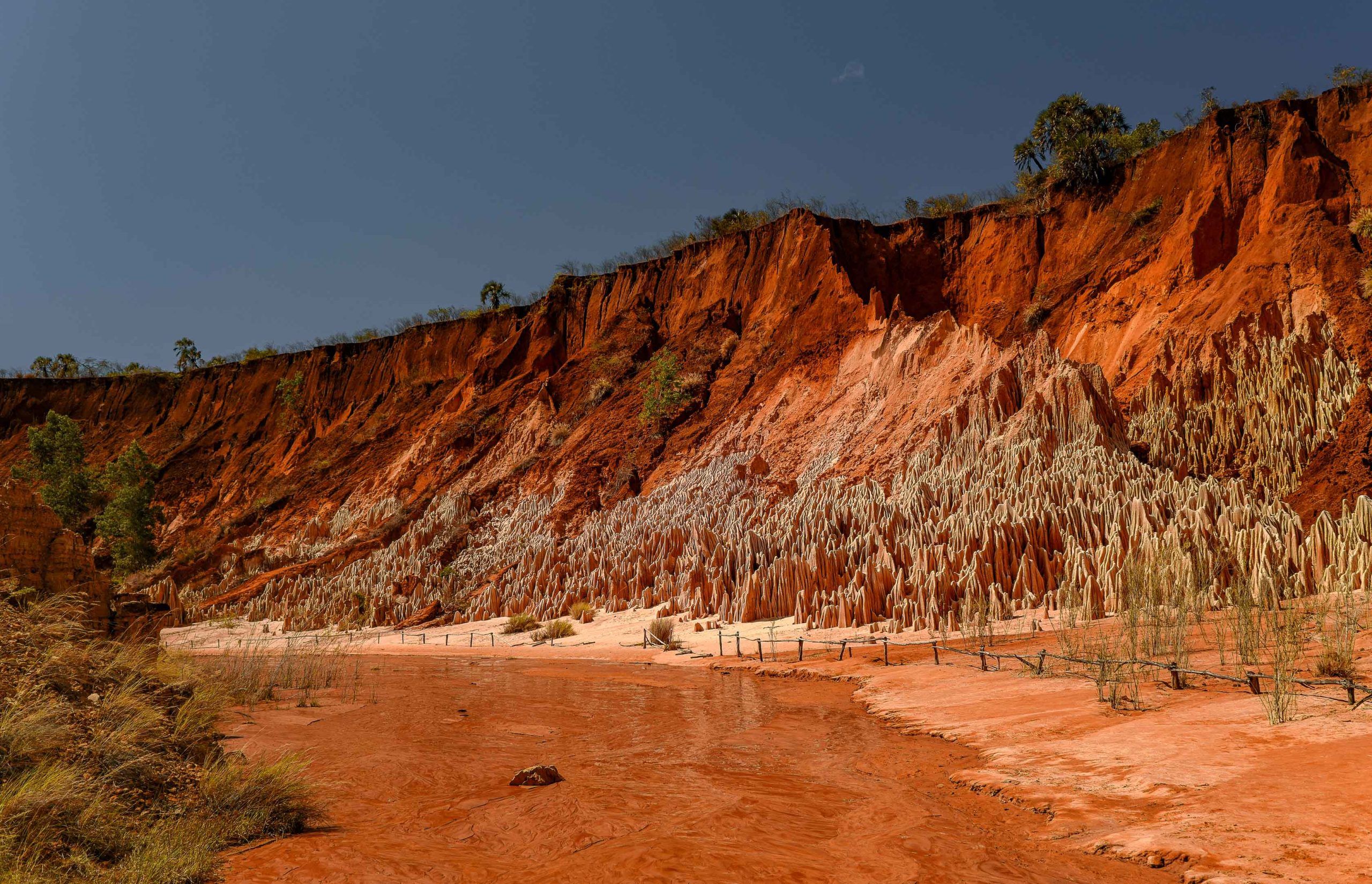
The red Tsingy (or Tsingy Rouge) of Diégo are astonishing geological wonders. Unlike the other Tsingy of Madagascar, this red, pink and white needlepoint relief is not made of limestone, but of a mixture of sandstone, marl and limestone. With the perfect backdrop for photography, a visit to the Red Tsingy can also be the end point of a road trip on winding roads through the savannah of Analamerana Park.
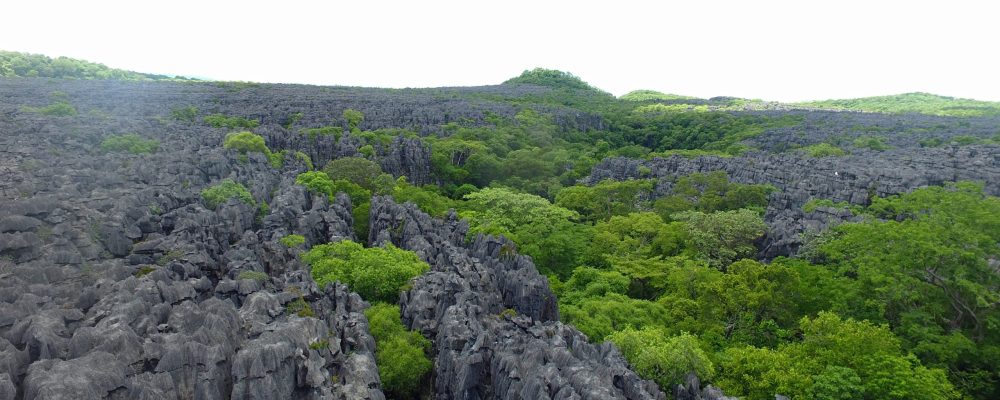
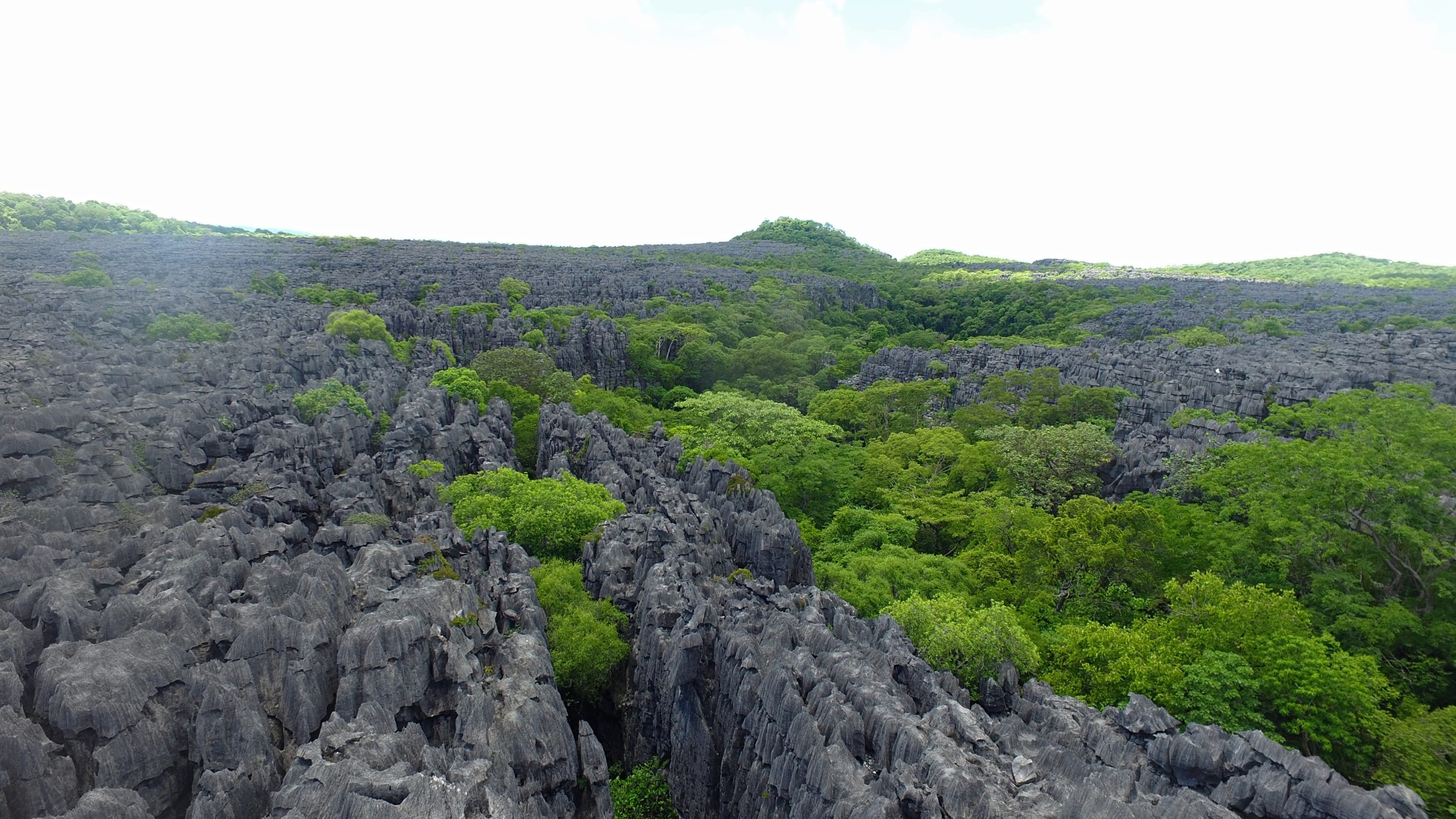
100 km south of Antsiranana (Diego Suarez), Ankarana National Park is a mix of the Tsingy, a unique ecosystem rich in endemic species, and a series of caves of great cultural importance as they serve as tombs for the Antakarana people. There is also a natural underground water network, which is the largest in all of Africa. Visiting the Ankarana Reserve is highly recommended for trekking and wildlife enthusiasts and this is a logical stop if you are travelling by road in either direction to or from Nosy Be and Diego Suarez.
Although not as grand in scale as the Tsingy de Bemaraha in the southwest, the otherworldly landscape of the tsingy in Ankarana is home to an impressive array of wildlife. As well as 11 lemur species, 96 bird species, and 60 species of reptiles and amphibians, the park is home to 14 different bat species. A particularly special experience for adventurous travellers is standing in the dark of the caves while hundreds of bats roost and swoop around you.
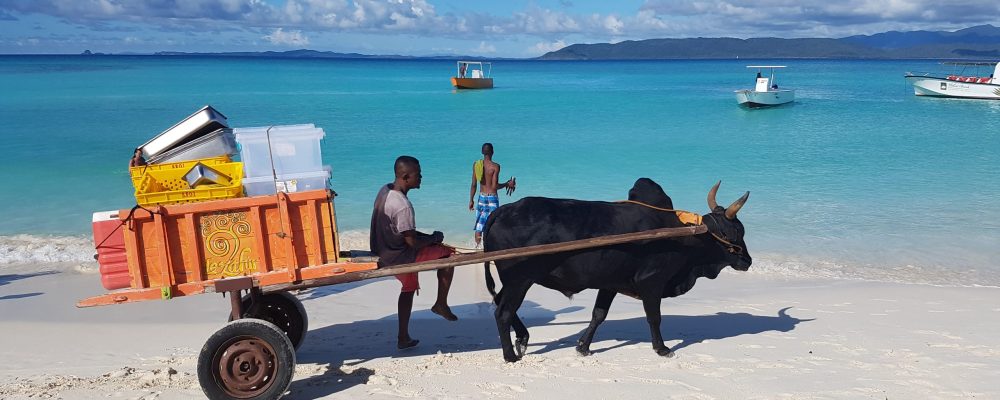
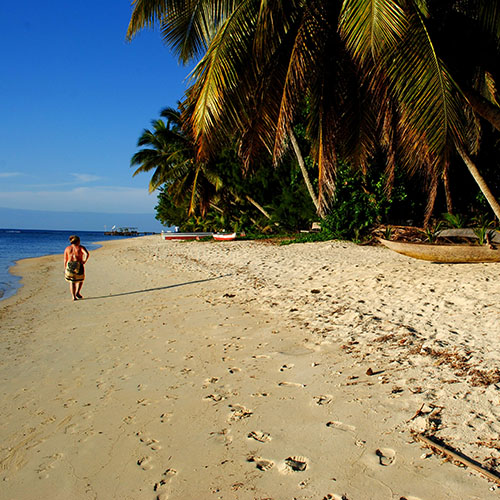
Nosy Be is arguably the flagship of tourism in Madagascar. The island is a showcase of Malagasy beach and ocean based tourism, but also offers discoveries such as ylang-ylang plantations, rum distilleries and a world-famous music festival each May. Nosy Be is also a privileged place for luxury tourism, and it is possible to stay in prestigious establishments isolated from the rest of the world on the small islands that surround the Perfume Island.
Nosy Be has a long whale-watching season (August to October), and, it is one of the few places on earth honoured by the visits of the largest fish on earth, the whale sharks. There is also great scuba diving available, with high biodiversity and the possibility of seeing turtles and rays while you dive.
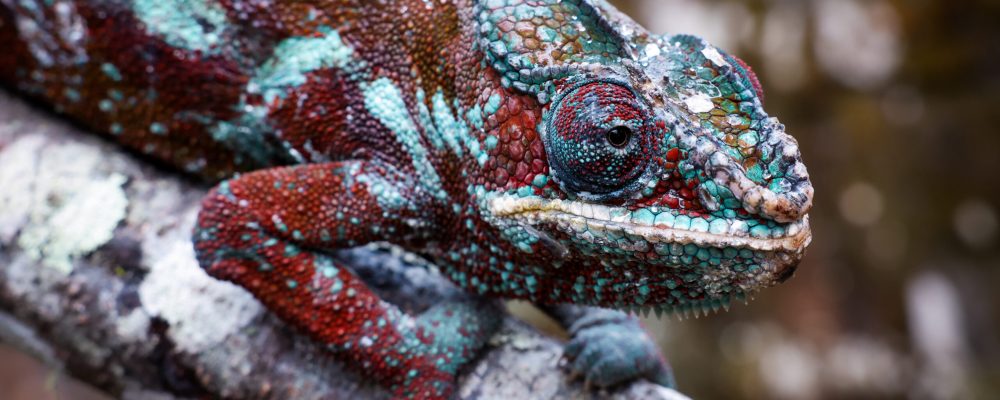
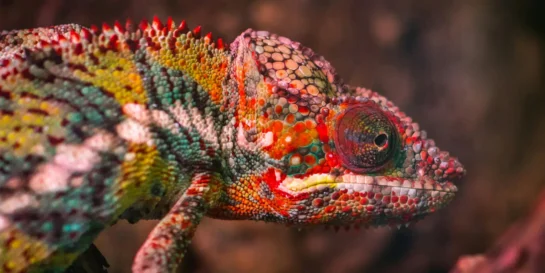
Abutting the small town of Joffreville, about a one-hour drive from Diego Suarez/Antsiranana, the Amber Mountain National Park (Montagne d’Ambre NP) is made up of an endemic ecosystem housed in a reserve perched on a volcanic massif at an altitude of 1,475 meters. Part of the park is reserved for scientific missions, but the rest is accessible to the public and includes a series of great routes from low to medium difficulty. You will see a variety of lemurs and birds as with most parks in Madagascar, but the highlight is the various chameleons, including some of the smallest in the world, just centimetres long. This is a highly recommended visit.
The city of Antsiranana (more commonly known as Diego-Suarez or just Diego) is the largest in northern Madagascar. Historically a French garrison and naval base, the city boasts more colonial-style buildings and architecture than other cities in Madagascar. As the regional hub in the north, it has regular domestic flights from the capital, and is often the start/end point for tours of Northern Madagascar. The town also has a number of good restaurants (focusing on French cuisine and seafood), and a lively nightlife.
The red Tsingy (or Tsingy Rouge) of Diégo are astonishing geological wonders. Unlike the other Tsingy of Madagascar, this red, pink and white needlepoint relief is not made of limestone, but of a mixture of sandstone, marl and limestone. With the perfect backdrop for photography, a visit to the Red Tsingy can also be the end point of a road trip on winding roads through the savannah of Analamerana Park.
100 km south of Antsiranana (Diego Suarez), Ankarana National Park is a mix of the Tsingy, a unique ecosystem rich in endemic species, and a series of caves of great cultural importance as they serve as tombs for the Antakarana people. There is also a natural underground water network, which is the largest in all of Africa. Visiting the Ankarana Reserve is highly recommended for trekking and wildlife enthusiasts and this is a logical stop if you are travelling by road in either direction to or from Nosy Be and Diego Suarez.
Although not as grand in scale as the Tsingy de Bemaraha in the southwest, the otherworldly landscape of the tsingy in Ankarana is home to an impressive array of wildlife. As well as 11 lemur species, 96 bird species, and 60 species of reptiles and amphibians, the park is home to 14 different bat species. A particularly special experience for adventurous travellers is standing in the dark of the caves while hundreds of bats roost and swoop around you.
Nosy Be is arguably the flagship of tourism in Madagascar. The island is a showcase of Malagasy beach and ocean based tourism, but also offers discoveries such as ylang-ylang plantations, rum distilleries and a world-famous music festival each May. Nosy Be is also a privileged place for luxury tourism, and it is possible to stay in prestigious establishments isolated from the rest of the world on the small islands that surround the Perfume Island.
Nosy Be has a long whale-watching season (August to October), and, it is one of the few places on earth honoured by the visits of the largest fish on earth, the whale sharks. There is also great scuba diving available, with high biodiversity and the possibility of seeing turtles and rays while you dive.
Abutting the small town of Joffreville, about a one-hour drive from Diego Suarez/Antsiranana, the Amber Mountain National Park (Montagne d’Ambre NP) is made up of an endemic ecosystem housed in a reserve perched on a volcanic massif at an altitude of 1,475 meters. Part of the park is reserved for scientific missions, but the rest is accessible to the public and includes a series of great routes from low to medium difficulty. You will see a variety of lemurs and birds as with most parks in Madagascar, but the highlight is the various chameleons, including some of the smallest in the world, just centimetres long. This is a highly recommended visit.