


Right in the centre of Madagascar, the country’s highlands rise majestically amid the rice fields and fertile agricultural land of the country. The central plateau forms the core of the island, where the capital Antananarivo (usually known as Tana) and other important cities are located. Along National Highway 7 (RN7), from Antananarivo to Fianarantsoa, there are also some of the most visited tourist towns of the island. Particularly rich in culture and heritage, this region offers its visitors countless riches to discover.


Select a title to show content
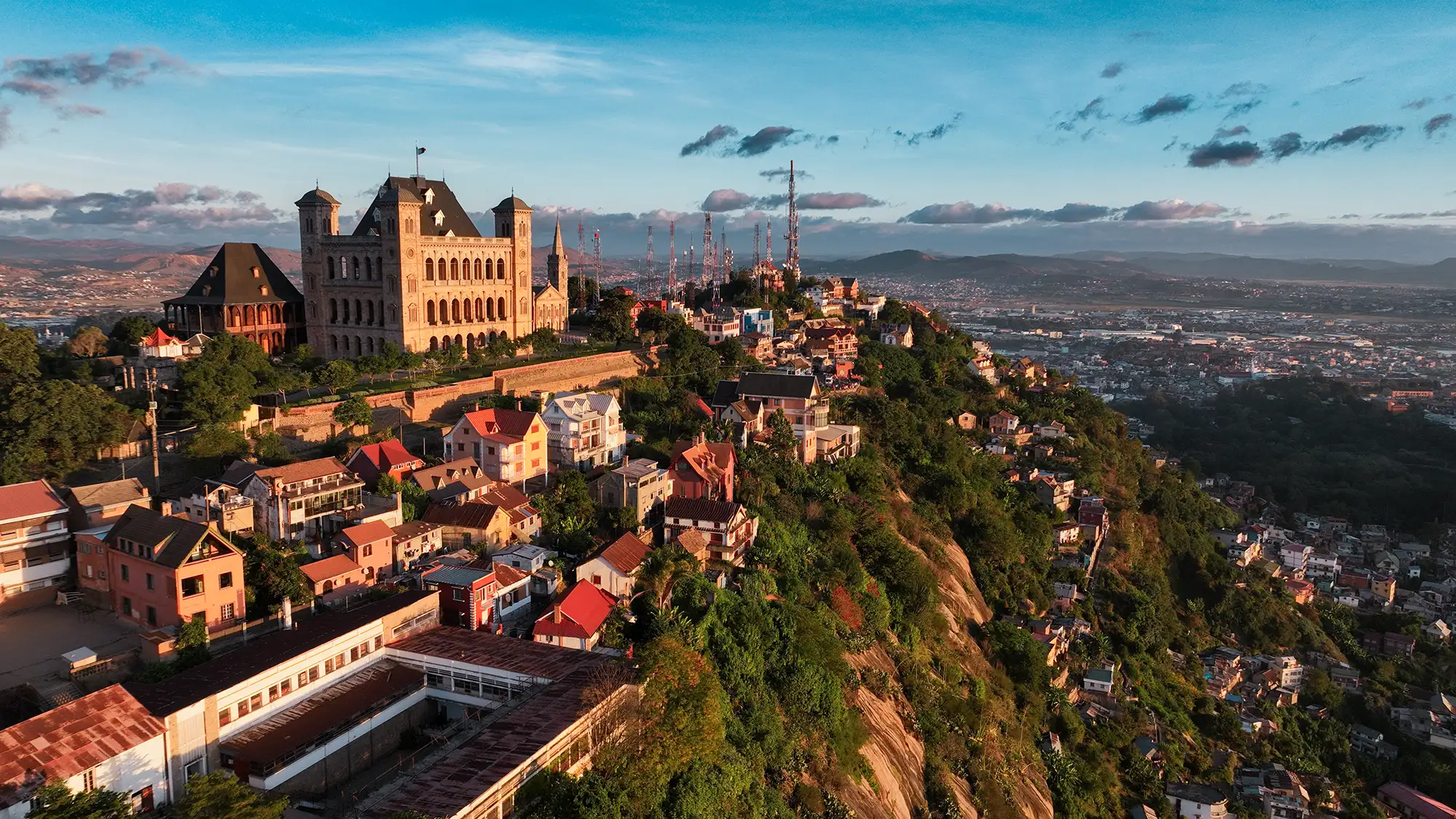
The capital of Madagascar, Antananarivo – or “the city of a thousand” – is the beating heart of the country. As its name suggests, Antananarivo has a thousand facets to discover, whether it is its architecture inherited from its colonial past, its many markets, or even its westernized aspect. This cosmopolitan city offers many tourist possibilities, perfectly combining urban amenities and important historical, cultural and ecological sites.
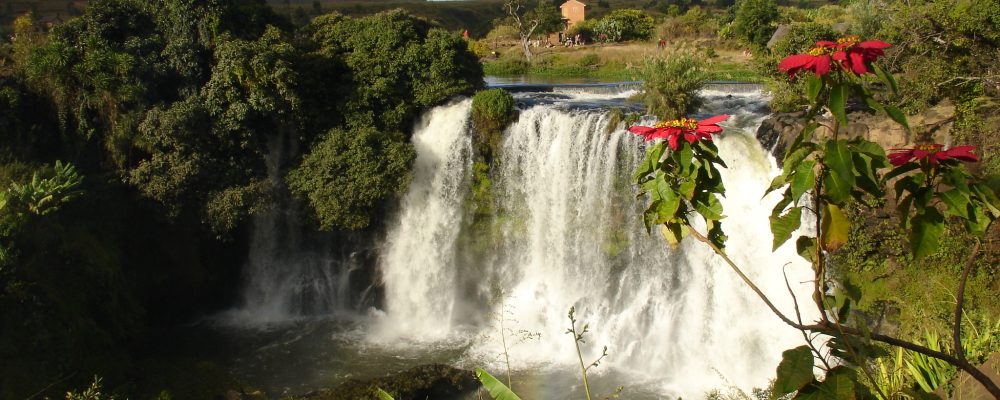
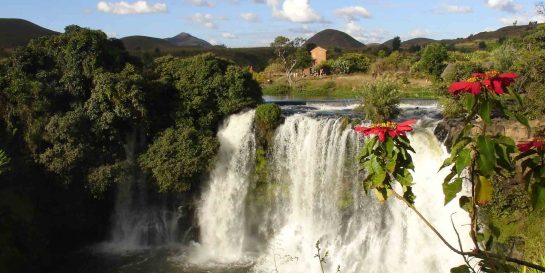
Located 130 km from the capital, the main tourist attractions of this small town are the islet of the virgin, the waterfall of the Lily and a site with geysers. The village is also near a lake for water sports and fishing enthusiasts. In addition, the local hotel establishments promise access to modern comfort, as well as various activities such as mountain biking or hiking to discover the vast agricultural expanses of this region.
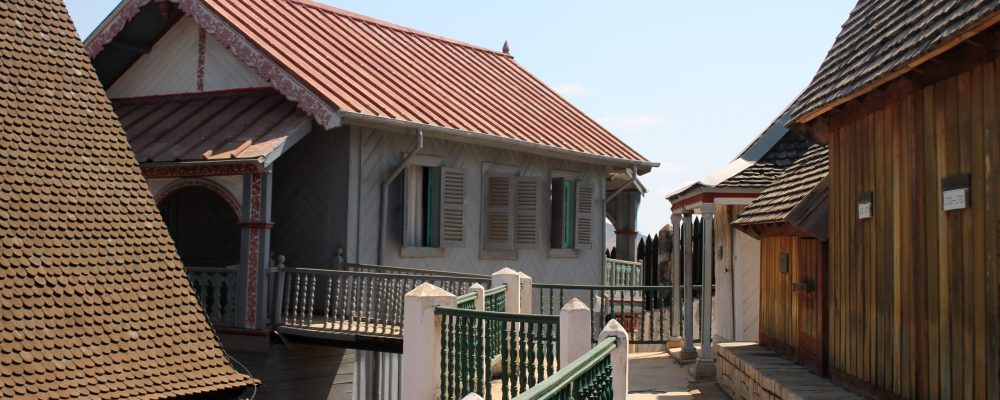
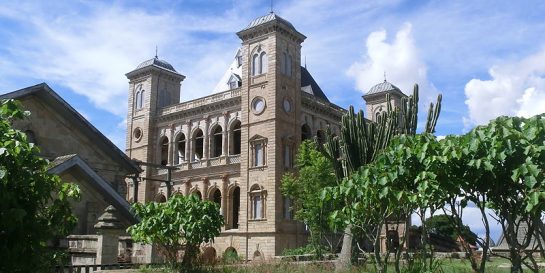
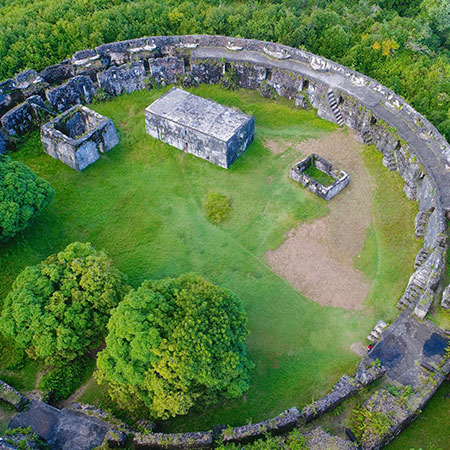
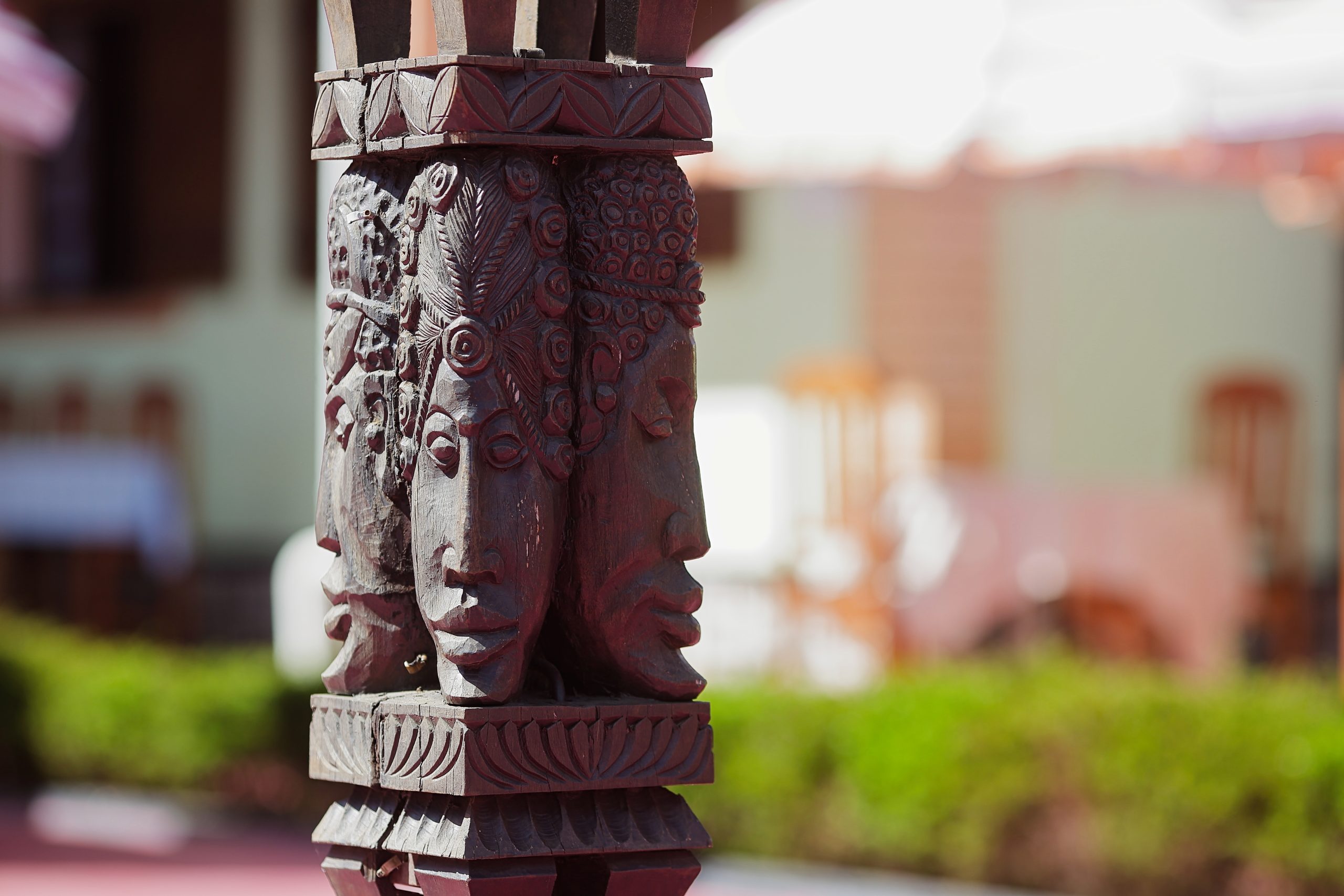
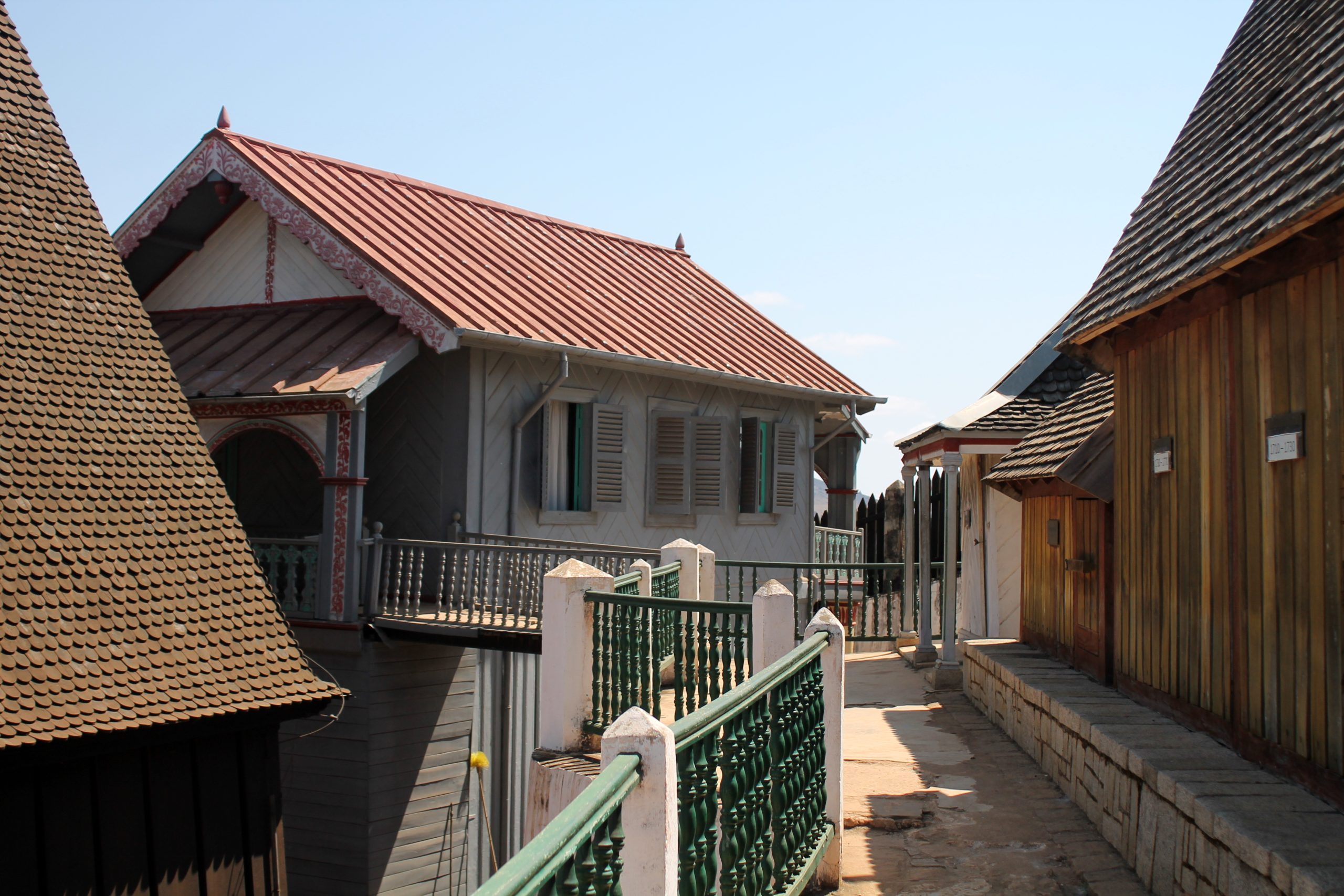
Ambohimanaga’s “rova” sits majestically on one of the capital’s sacred hills. Listed as a UNESCO World Heritage Site, the “Blue Hill” palace was once the residence of King Andrianampoinimerina. On the site, one can still observe many everyday objects used by the king and his court. The majesty of the place is mainly represented by its buildings steeped in history and traditions.
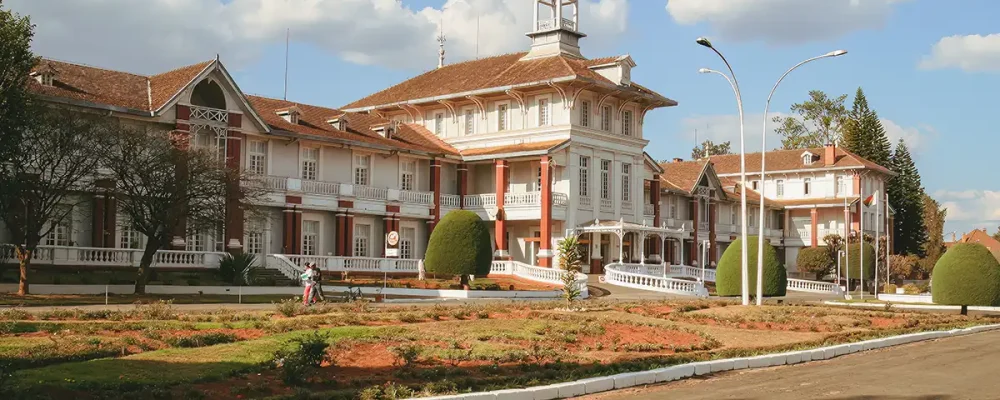
Perched at an altitude of 1,500 meters, the town of Antsirabe stands out for its agricultural production, its crafts, its rickshaws and its therapeutic thermal waters. While the city is mainly popular with local tourists, it is still a worthy stop-off point as part of the classic RN7 road tour of Madagascar. A good place to discover the village culture of the highlands of Madagascar, this is the ideal place to learn more about the traditions linked to the cults of the dead.
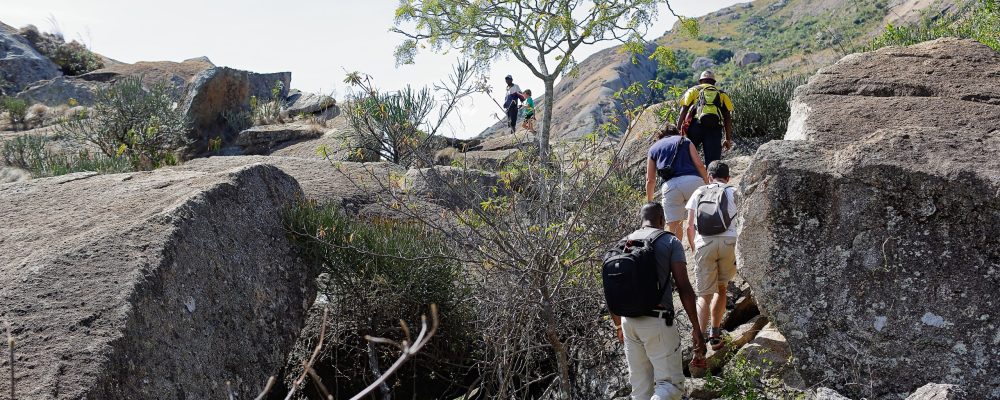
Surrounded by impressive mountain ranges, Ambalavao is a charming little town distinguished by the quaint architecture of its houses, its zebu market and its production of Antaimoro paper and silk. The region is also famous for its extensive vineyards. Ambalavao is one of the best terroirs in the country when it comes to wine. To all this is added the proximity of two wildlife parks – Anja Reserve and the Sakaviro Miray park – to get to know the famous makis of Madagascar.
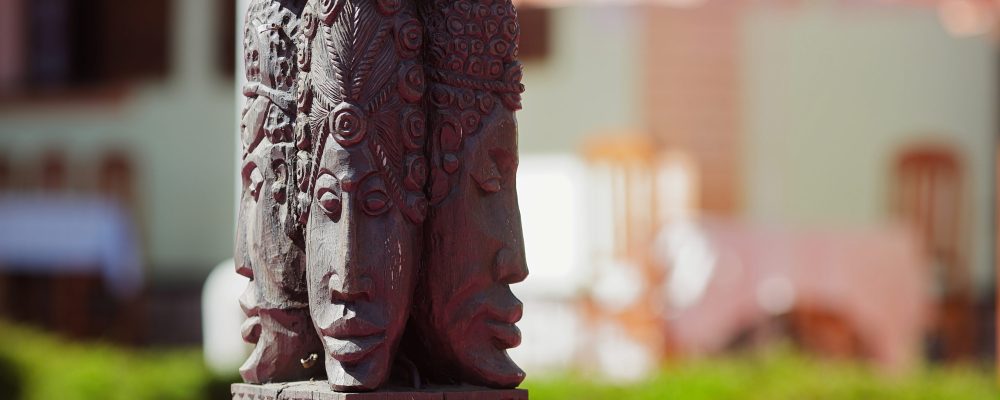
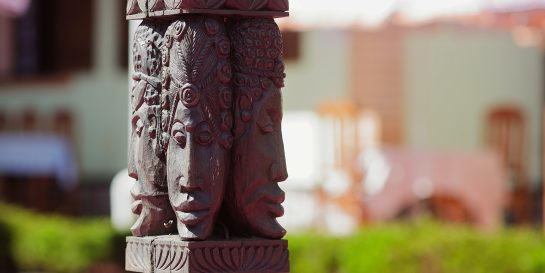
Ambositra or “the city of roses” is a Malagasy town extremely rich in culture and crafts. Territory of the Zafimaniry people, it is the home of beautiful handicrafts carved in precious wood or zebu horns, made according to an art and a refinement specific to this tribe. This city is also famous for these sumptuous celebrations of “famadiahana” or turning of the dead, and all the traditions that accompany this unusual custom.
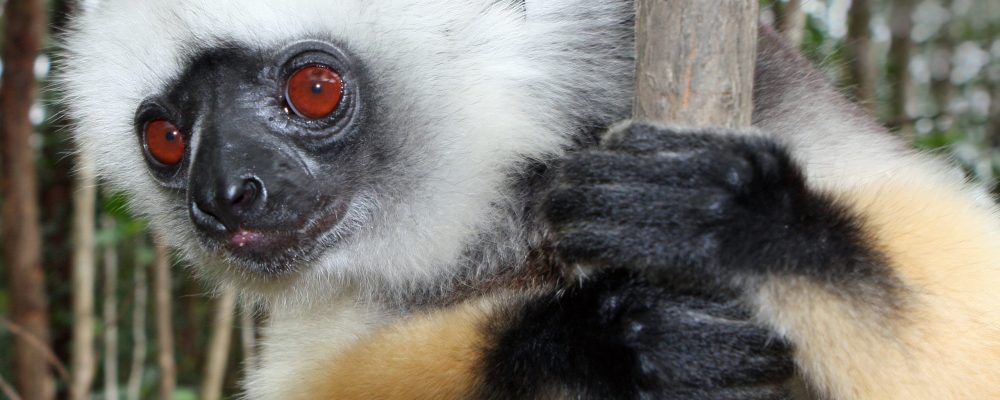
Lemurs are one of the ecological gems of the Big Island. Lemurs Park offers the opportunity to discover in peace 9 endemic species of this species, living in complete freedom in this botanical park of 5 hectares. In addition to the famous lemurs, the park also allows you to discover more than 40 species of plants endemic to the country, but also several panoramic points of view with breathtaking landscapes.
Over the years, the village of Mantasoa has become a privileged resort for expatriates and tourists. Besides water sports, hiking, mountain biking or pétanque, accommodation is the main attraction of this destination. Instead of staying in hotels, visitors will be welcomed in splendid cottages surrounded by forest and by a lake. For those looking for relaxation and idleness in a sumptuous setting, a visit to Mantasoa is highly recommended.
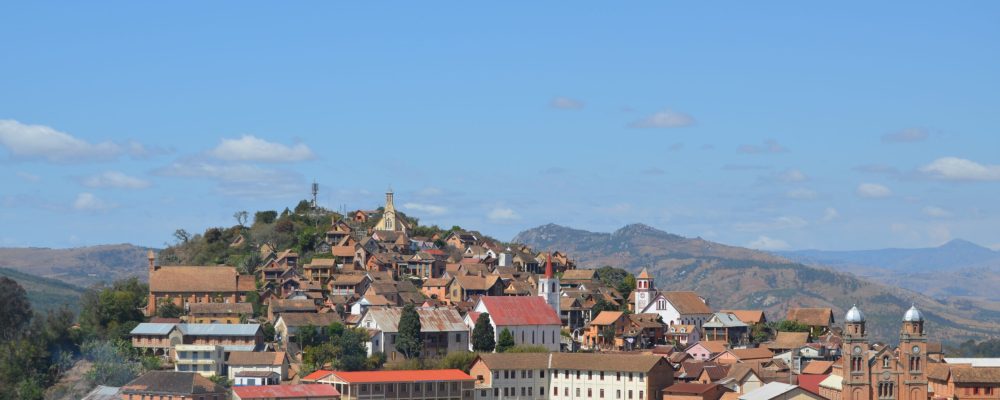
More than just a town, Fianarantsoa is in fact a whole province to discover. As for the city, a discovery of its architectural heritage is essential for those passing through this crossroads of the national road n° 7. Fianarantsoa is also a region famous for its wine production, but also for being home to the only Malagasy car manufacturer, Karenjy. As a province, Fianarantsoa has several forest reserves, including Ranomafana National Park. The “high town” offers some insight into historical buildings and the practically extinct architecture of the high plateau.
The capital of Madagascar, Antananarivo – or “the city of a thousand” – is the beating heart of the country. As its name suggests, Antananarivo has a thousand facets to discover, whether it is its architecture inherited from its colonial past, its many markets, or even its westernized aspect. This cosmopolitan city offers many tourist possibilities, perfectly combining urban amenities and important historical, cultural and ecological sites.
Located 130 km from the capital, the main tourist attractions of this small town are the islet of the virgin, the waterfall of the Lily and a site with geysers. The village is also near a lake for water sports and fishing enthusiasts. In addition, the local hotel establishments promise access to modern comfort, as well as various activities such as mountain biking or hiking to discover the vast agricultural expanses of this region.
Ambohimanaga’s “rova” sits majestically on one of the capital’s sacred hills. Listed as a UNESCO World Heritage Site, the “Blue Hill” palace was once the residence of King Andrianampoinimerina. On the site, one can still observe many everyday objects used by the king and his court. The majesty of the place is mainly represented by its buildings steeped in history and traditions.
Perched at an altitude of 1,500 meters, the town of Antsirabe stands out for its agricultural production, its crafts, its rickshaws and its therapeutic thermal waters. While the city is mainly popular with local tourists, it is still a worthy stop-off point as part of the classic RN7 road tour of Madagascar. A good place to discover the village culture of the highlands of Madagascar, this is the ideal place to learn more about the traditions linked to the cults of the dead.
Surrounded by impressive mountain ranges, Ambalavao is a charming little town distinguished by the quaint architecture of its houses, its zebu market and its production of Antaimoro paper and silk. The region is also famous for its extensive vineyards. Ambalavao is one of the best terroirs in the country when it comes to wine. To all this is added the proximity of two wildlife parks – Anja Reserve and the Sakaviro Miray park – to get to know the famous makis of Madagascar.
Ambositra or “the city of roses” is a Malagasy town extremely rich in culture and crafts. Territory of the Zafimaniry people, it is the home of beautiful handicrafts carved in precious wood or zebu horns, made according to an art and a refinement specific to this tribe. This city is also famous for these sumptuous celebrations of “famadiahana” or turning of the dead, and all the traditions that accompany this unusual custom.
Lemurs are one of the ecological gems of the Big Island. Lemurs Park offers the opportunity to discover in peace 9 endemic species of this species, living in complete freedom in this botanical park of 5 hectares. In addition to the famous lemurs, the park also allows you to discover more than 40 species of plants endemic to the country, but also several panoramic points of view with breathtaking landscapes.
Over the years, the village of Mantasoa has become a privileged resort for expatriates and tourists. Besides water sports, hiking, mountain biking or pétanque, accommodation is the main attraction of this destination. Instead of staying in hotels, visitors will be welcomed in splendid cottages surrounded by forest and by a lake. For those looking for relaxation and idleness in a sumptuous setting, a visit to Mantasoa is highly recommended.
More than just a town, Fianarantsoa is in fact a whole province to discover. As for the city, a discovery of its architectural heritage is essential for those passing through this crossroads of the national road n° 7. Fianarantsoa is also a region famous for its wine production, but also for being home to the only Malagasy car manufacturer, Karenjy. As a province, Fianarantsoa has several forest reserves, including Ranomafana National Park. The “high town” offers some insight into historical buildings and the practically extinct architecture of the high plateau.