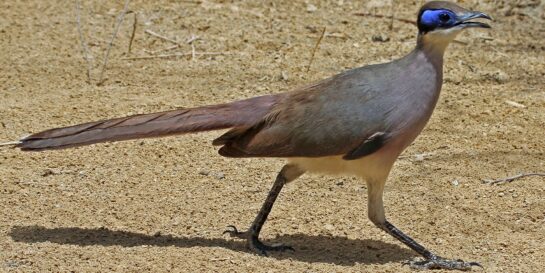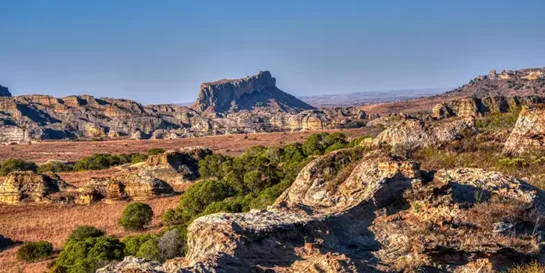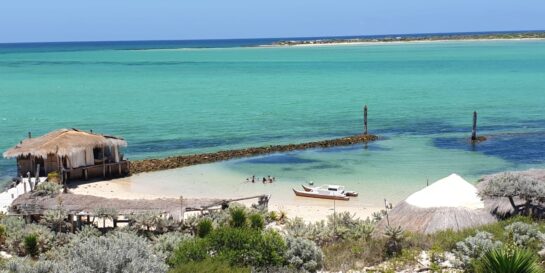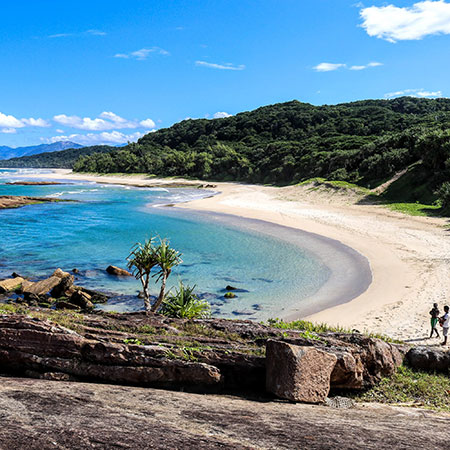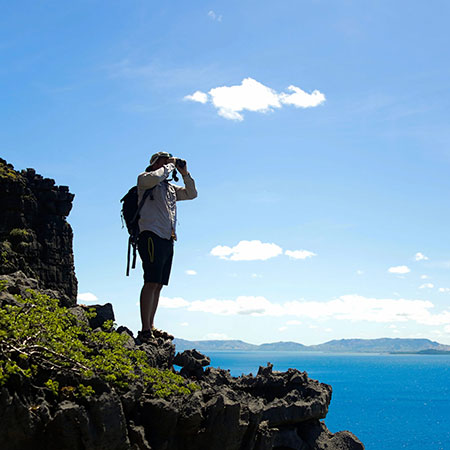



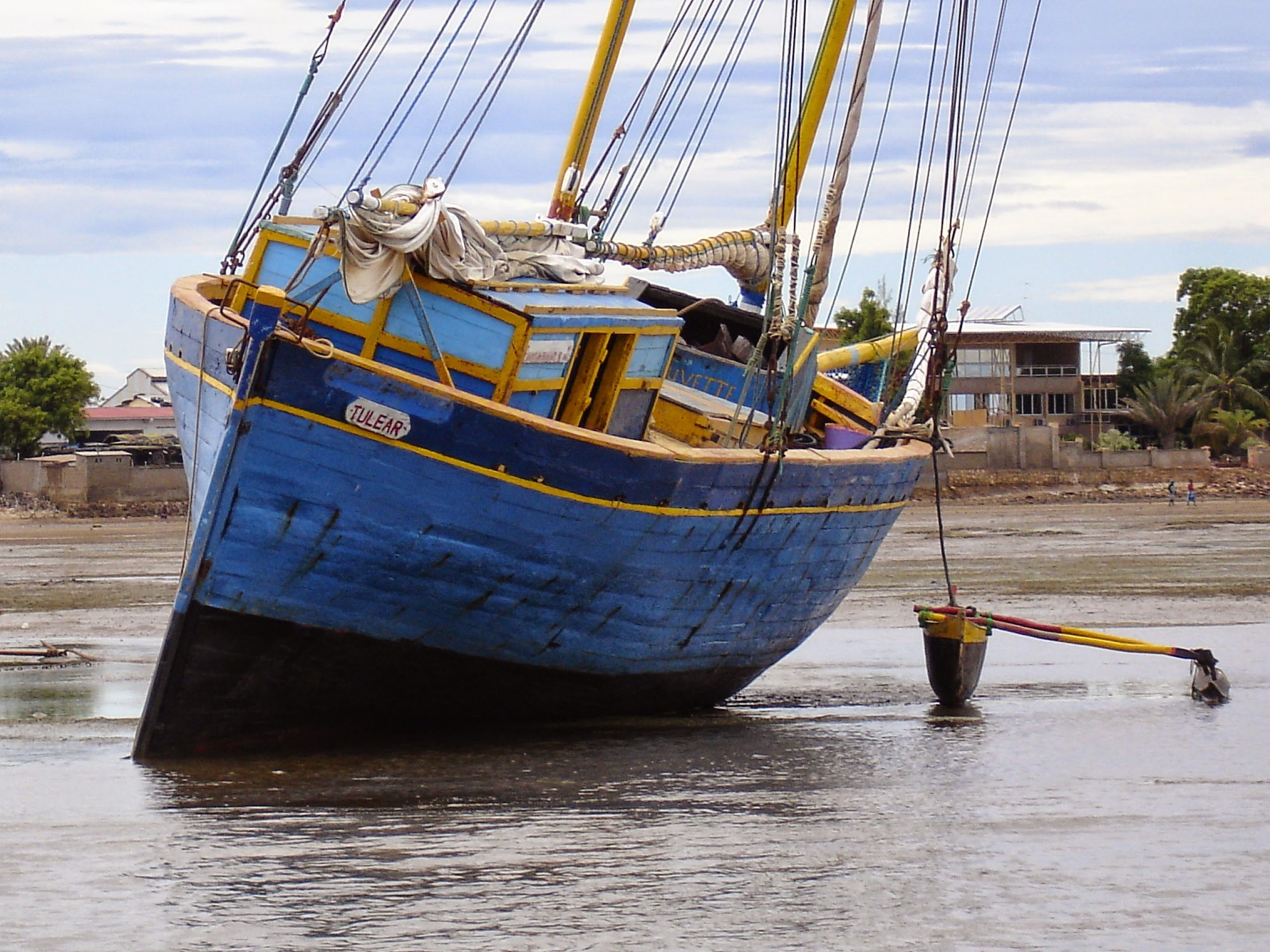
Toliara (or Tulear) is the south-west’s capital, a town of approximately 70,000 inhabitants created in 1895 by a French architect, who gave great importance to planting trees in the city, which offer welcome shade from the blazing sun. Hot and sunny, Tulear is the gateway to the great southern reef, and the beach towns of Anakao (south) and Ifaty Mangily (north). It is surrounded by some spectacular table-mountain formations covered in the unique southern spiny forest and has significant mangroves and coral reef.
Learn about the main places to visit, when to go and how to get there with our in-depth guides.
Select a title to show content
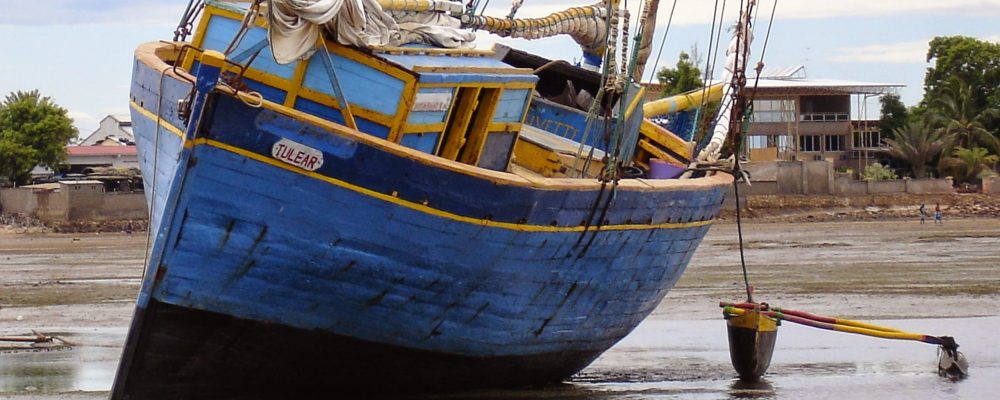
Toliara (also known as Tulear) has all the charms and attractions of many other coastal cities, while being spared from mass tourism. With magnificent beaches to the north and the south, an enormous fringing reef, and very well-preserved marine and terrestrial attractions, it’s a great place to relax after the popular RN7 road trip from Antananarivo. Besides tourism, a stay in Tulear is also an opportunity to enjoy a very lively nightlife (if you stay in town itself) and the great sense of hospitality of the local population – and so it is named “the city that never sleeps”.
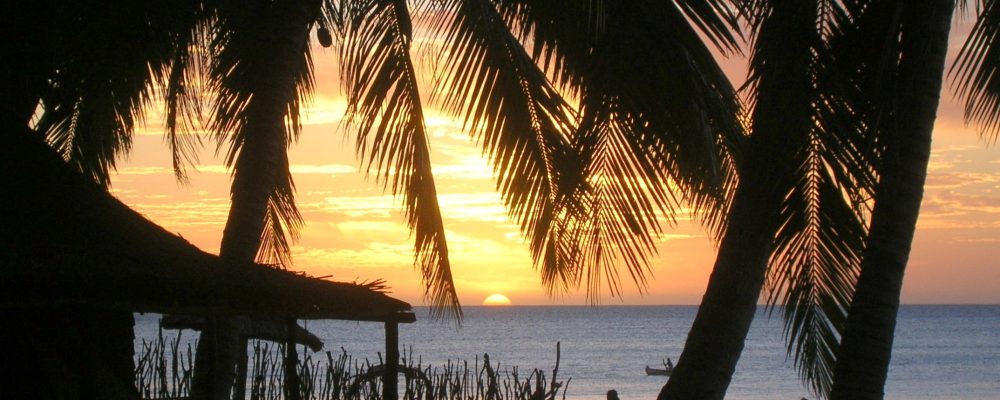
Ifaty is a small seaside resort to the north of Toliara. With its paradisaical beaches and turquoise water, it emits an aura of relaxation and tranquility. For lovers of aquatic activities, diving is one of the flagship entertainments of this place rich in underwater biodiversity. When it comes to accommodation, a variety of hotel facilities are available to suit all tastes and budgets. In season, hump-backed whales frequent the Mozambique Channel, and whale-watching is a common activity.
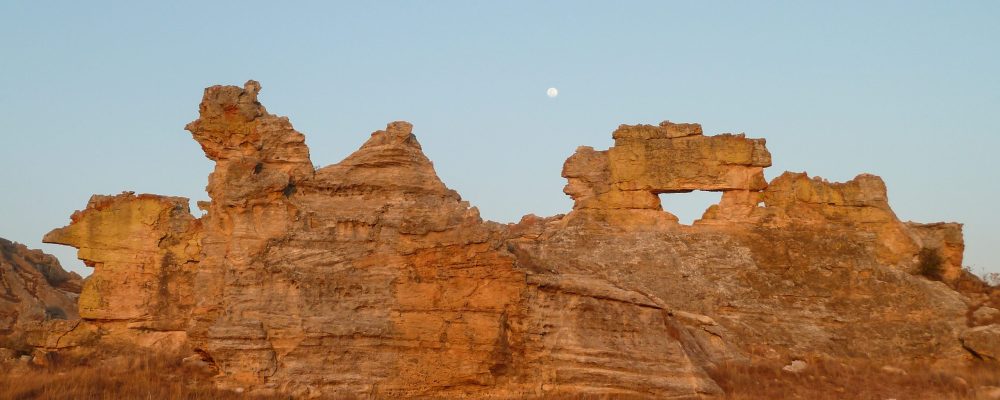
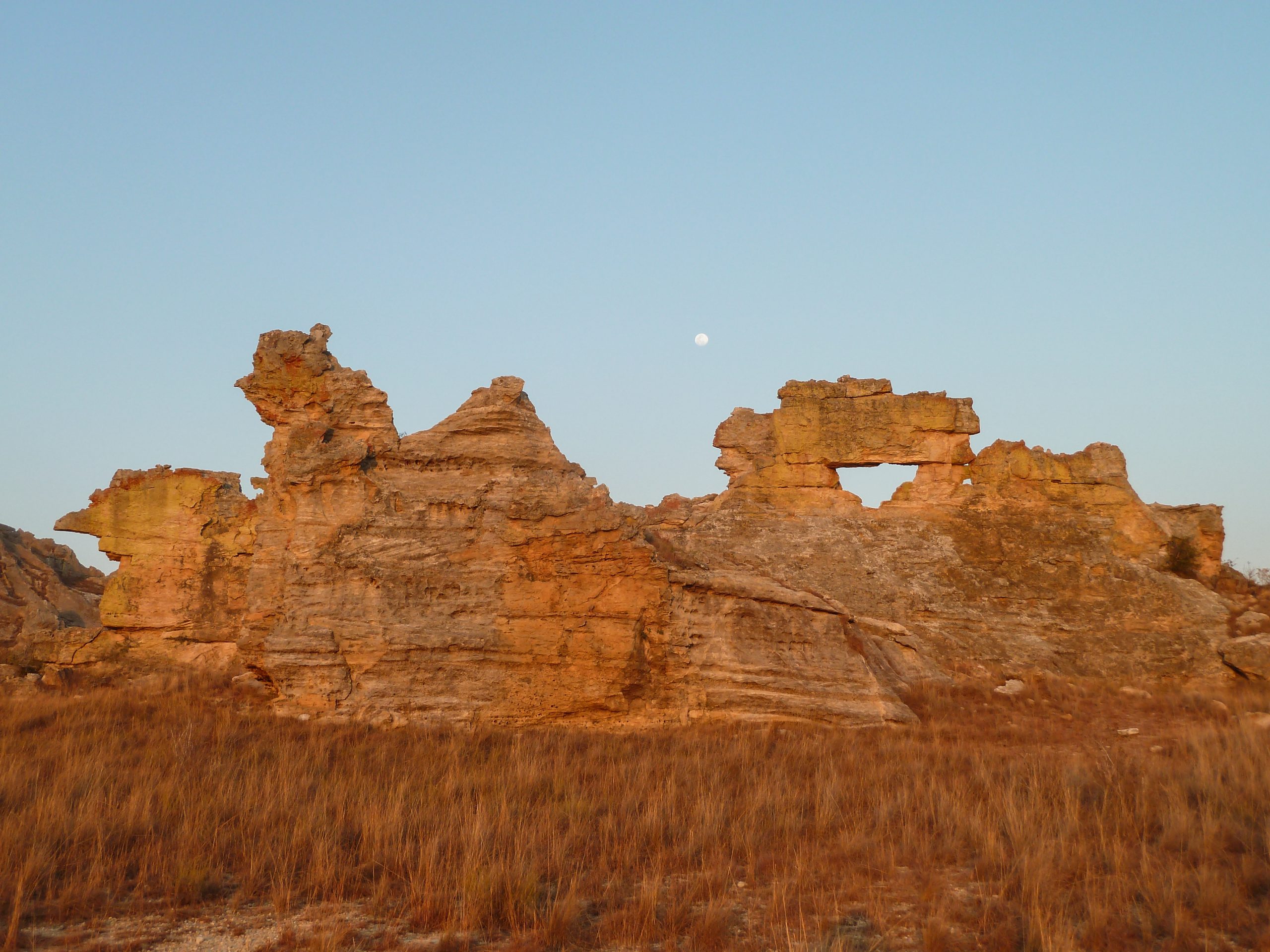
Isalo National Park is one of the most impressive nature reserves in Madagascar, mainly visited for landscapes and hiking, rather than wildlife. In this park, the desert meets the humidity and greenery of a tropical oasis, home to natural lakes, waterfalls and various species of shy wildlife. In the desert before the oasis, the scenery is breathtaking.
For those who want to fully enjoy the place, it is possible to stay on site in hotel complexes located around the village of Ranohira. In the Isalo area, there are many standards of hotels, from simple bungalows, to luxurious retreats tucked into the rocks themselves.
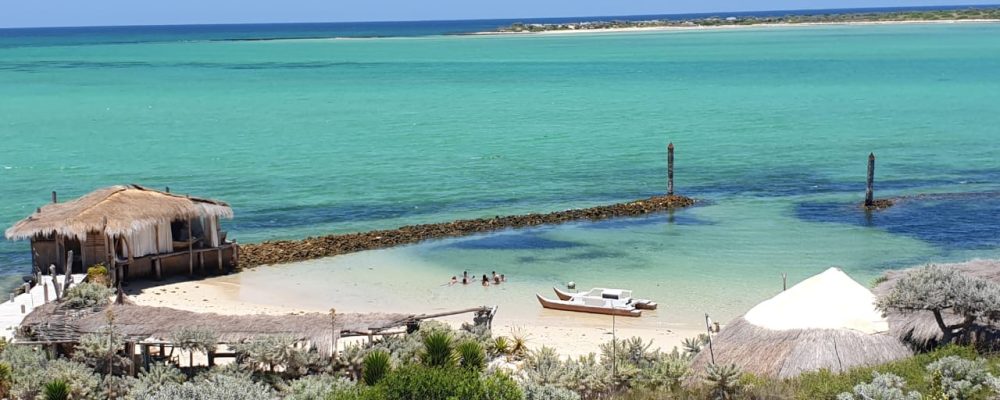
Located about one hour by boat south of Tulear, this small Vezo village is located on the mainland, close to Nosy Ve Island and not far from Nosy Satrana Island. These two coral islands can be visited during canoe trips.
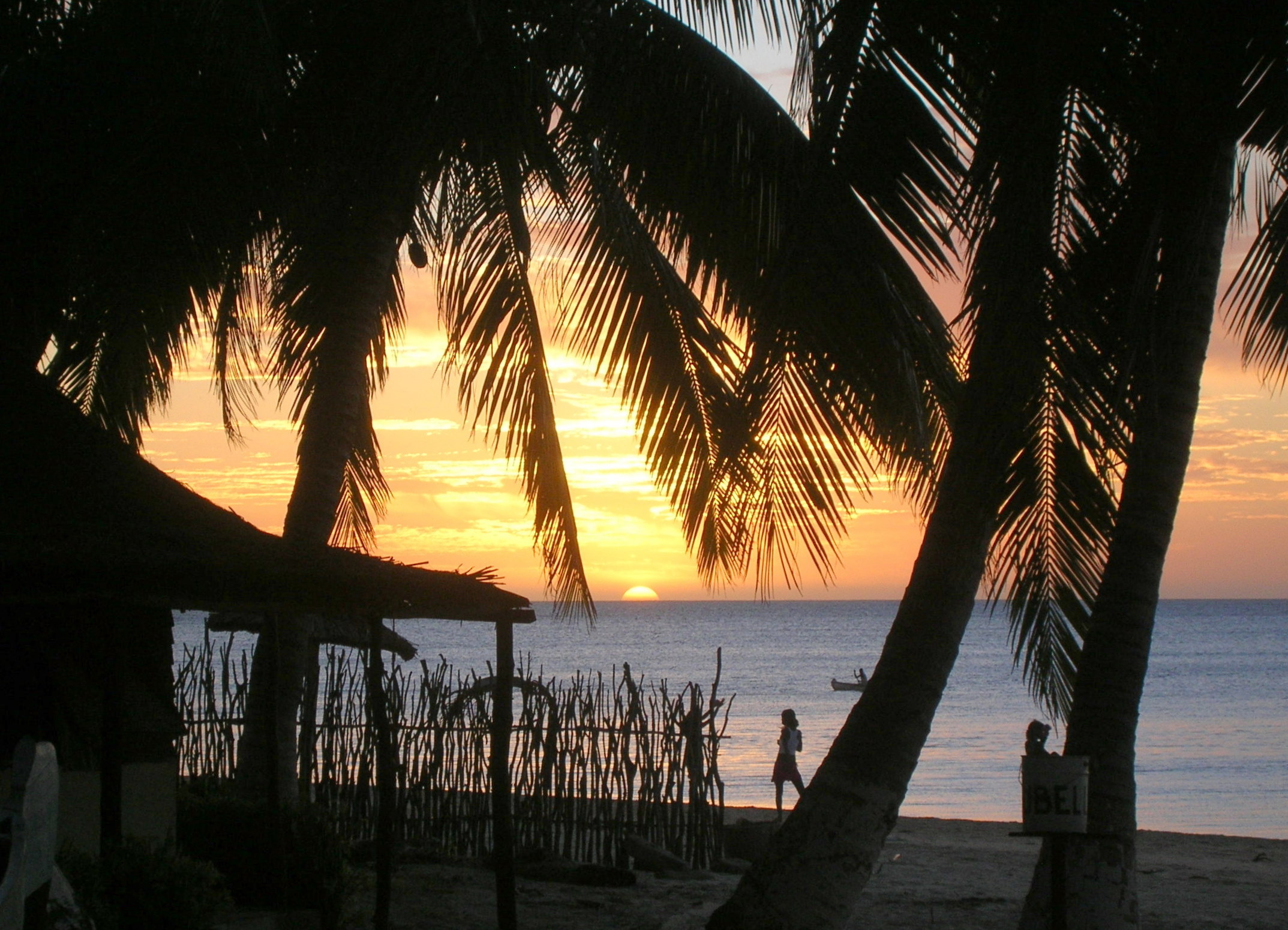
Sited on the southwest coast of Madagascar, Anakao is a popular destination for surfers, and kite-surfing, and also has scuba diving and snorkeling opportunities.
As with many beach hideaways in Madagascar, you can choose accommodation from a simple beach shack all the way up to the comfort of Anakao Ocean Lodge. Crossed by the Tropic of Capricorn, the bay does not have much vegetation, but its long stretch of deserted beach and translucent water more than makes up for this absence.
Another attraction of Anakao is the villagers, who always show a great sense of hospitality. They are very attached to their habits and customs, and discovering their way of life is also an interesting experience.
Tsimanampetsotsa National Park is a stunning combination of limestone plateau, salt lake and splendid thorny forest. The lake in this protected area is exceptional because it changes color three times a day, going from white, to topaz green, then to turquoise blue depending on its lime sulfate concentration. Unfortunately, this prevents marine animals from surviving in the lake (hence the name, which roughly translates to “lake in which no dolphins live”).
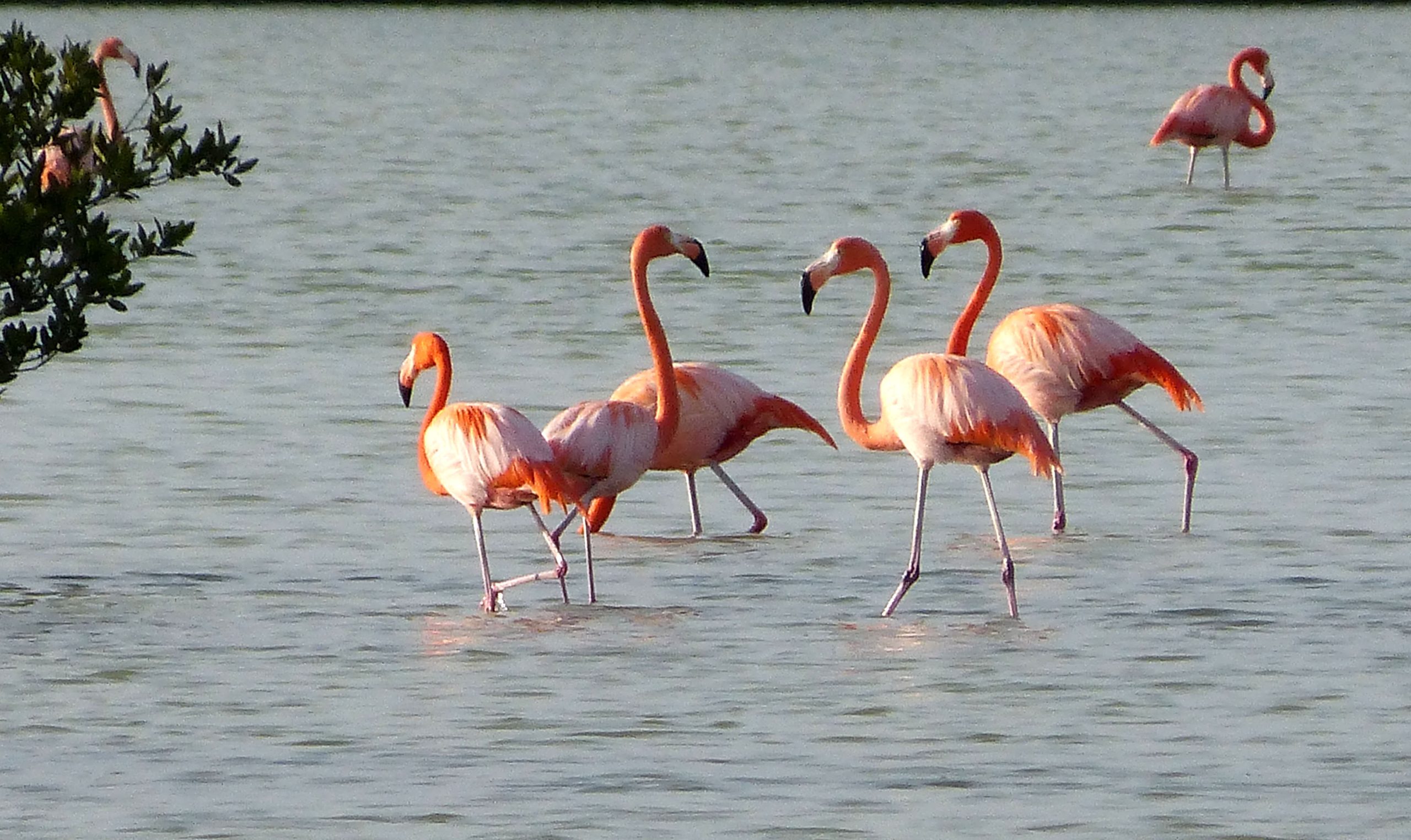
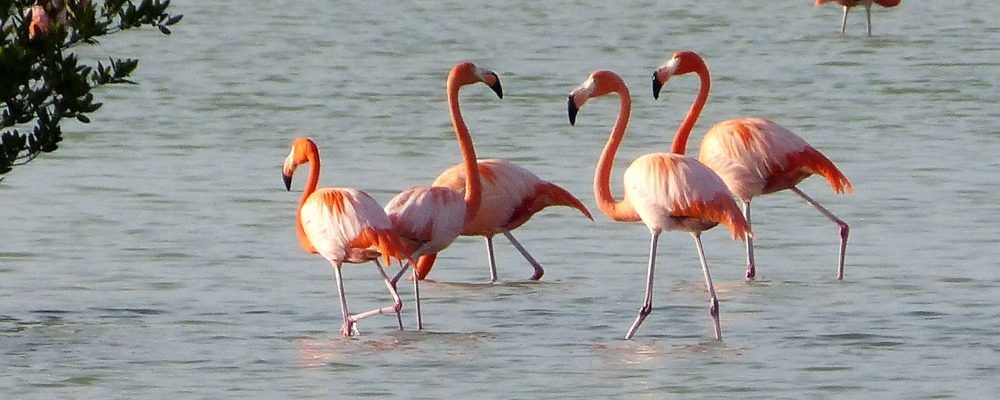
In spite of this, the park is still a biodiversity haven, with many species of reptiles, jewelled chameleons, bright day geckoes and a sizable population of rare radiated and spider tortoises. Birdwatchers can try to spot the critically endangered Madagascar plover, and a variety of other species including the Madagascar kestrel, hoopoe and flocks of flamingoes.
In addition, the local flora is also impressive, with many endemic species, including magnificent baobabs.
Toliara (also known as Tulear) has all the charms and attractions of many other coastal cities, while being spared from mass tourism. With magnificent beaches to the north and the south, an enormous fringing reef, and very well-preserved marine and terrestrial attractions, it’s a great place to relax after the popular RN7 road trip from Antananarivo. Besides tourism, a stay in Tulear is also an opportunity to enjoy a very lively nightlife (if you stay in town itself) and the great sense of hospitality of the local population – and so it is named “the city that never sleeps”.
Ifaty is a small seaside resort to the north of Toliara. With its paradisaical beaches and turquoise water, it emits an aura of relaxation and tranquility. For lovers of aquatic activities, diving is one of the flagship entertainments of this place rich in underwater biodiversity. When it comes to accommodation, a variety of hotel facilities are available to suit all tastes and budgets. In season, hump-backed whales frequent the Mozambique Channel, and whale-watching is a common activity.
Isalo National Park is one of the most impressive nature reserves in Madagascar, mainly visited for landscapes and hiking, rather than wildlife. In this park, the desert meets the humidity and greenery of a tropical oasis, home to natural lakes, waterfalls and various species of shy wildlife. In the desert before the oasis, the scenery is breathtaking.
For those who want to fully enjoy the place, it is possible to stay on site in hotel complexes located around the village of Ranohira. In the Isalo area, there are many standards of hotels, from simple bungalows, to luxurious retreats tucked into the rocks themselves.
Located about one hour by boat south of Tulear, this small Vezo village is located on the mainland, close to Nosy Ve Island and not far from Nosy Satrana Island. These two coral islands can be visited during canoe trips.
Sited on the southwest coast of Madagascar, Anakao is a popular destination for surfers, and kite-surfing, and also has scuba diving and snorkeling opportunities.
As with many beach hideaways in Madagascar, you can choose accommodation from a simple beach shack all the way up to the comfort of Anakao Ocean Lodge. Crossed by the Tropic of Capricorn, the bay does not have much vegetation, but its long stretch of deserted beach and translucent water more than makes up for this absence.
Another attraction of Anakao is the villagers, who always show a great sense of hospitality. They are very attached to their habits and customs, and discovering their way of life is also an interesting experience.
Tsimanampetsotsa National Park is a stunning combination of limestone plateau, salt lake and splendid thorny forest. The lake in this protected area is exceptional because it changes color three times a day, going from white, to topaz green, then to turquoise blue depending on its lime sulfate concentration. Unfortunately, this prevents marine animals from surviving in the lake (hence the name, which roughly translates to “lake in which no dolphins live”).
In spite of this, the park is still a biodiversity haven, with many species of reptiles, jewelled chameleons, bright day geckoes and a sizable population of rare radiated and spider tortoises. Birdwatchers can try to spot the critically endangered Madagascar plover, and a variety of other species including the Madagascar kestrel, hoopoe and flocks of flamingoes.
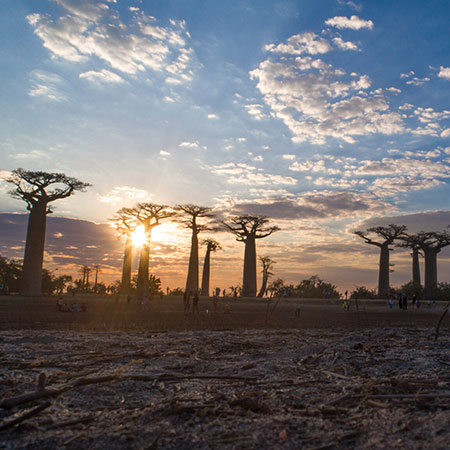
In addition, the local flora is also impressive, with many endemic species, including magnificent baobabs.