

Madagascar is known for its iconic lemurs, baobabs, and biodiversity-rich rainforests, but for adventure seekers, the island offers something just as enticing: extraordinary hiking and trekking opportunities. While popular trails in places like Isalo National Park and Andasibe are well worth exploring, Madagascar’s lesser-known routes reveal untouched landscapes and unique cultural encounters.
In this post, we’ll uncover some of Madagascar’s off-the-beaten-path hiking destinations, providing insights on difficulty levels, what to expect, and how to prepare for these adventures.
1. Makay Massif: A Hidden World of Biodiversity
Located in southwestern Madagascar, the Makay Massif is a remote labyrinth of sandstone canyons, lush valleys, and endemic wildlife. Often referred to as Madagascar’s “lost world,” the Makay remains one of the least-explored regions of the island.
- Highlights: Trek through narrow gorges, discover hidden caves, and encounter rare species like ring-tailed lemurs and unique reptiles.
- Difficulty Level: Moderate to Challenging. The terrain is rugged, and multi-day treks require a good level of fitness and stamina.
- Preparation Tips:
- Hire an experienced guide familiar with the region.
- Carry plenty of water and lightweight camping gear, as accommodations are non-existent.
2. Marojejy National Park: A Tropical Rainforest Escape
In the northeast, Marojejy National Park (banner photo) is a biodiversity hotspot and one of Madagascar’s least-visited parks. Its rugged trails lead adventurers through mist-shrouded rainforests and up to soaring peaks with breathtaking views.
- Highlights: Spot the critically endangered silky sifaka, marvel at cascading waterfalls, and reach the summit of Marojejy Mountain.
- Difficulty Level: Moderate. Trails can be steep and muddy, especially during the wet season.
- Preparation Tips:
- Best visited during the dry season (April to October).
- Pack sturdy hiking boots and waterproof clothing.
- Stay overnight in the park’s rustic campsites to fully immerse yourself in the experience.
3. Tsaranoro Valley: The Andringitra Alternative
While Andringitra National Park is known for its famous Pic Boby trek, the nearby Tsaranoro Valley offers equally stunning hikes with fewer crowds. This area boasts dramatic granite cliffs, open savannahs, and traditional Malagasy villages.
- Highlights: Hike to viewpoints overlooking the valley, visit sacred sites, and enjoy a cultural exchange with local communities.
- Difficulty Level: Easy to Moderate. The valley offers a mix of short trails and full-day hikes.
- Preparation Tips:
- Accommodation options include eco-lodges and campsites within the valley.
- Bring a camera to capture the striking landscapes, particularly during sunrise or sunset.
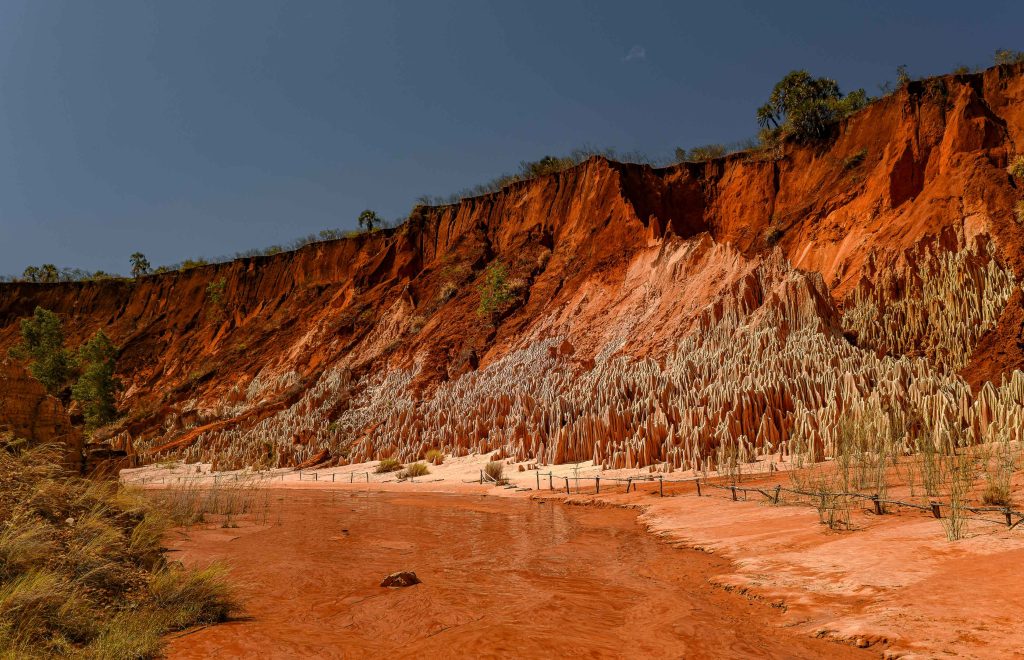
Visit Northern Madagascar and discover tsingy, tiny chameleons and stunning oceans
4. Montagne des Français: Northern Madagascar’s Hidden Gem
Close to Diego Suarez in northern Madagascar, Montagne des Français is a lesser-known hiking destination that combines striking landscapes with cultural history.
- Highlights: Panoramic views of the Emerald Sea, caves with ancient Malagasy carvings, and sightings of rare birds and reptiles.
- Difficulty Level: Easy to Moderate. Most trails are short but can be steep in parts.
- Preparation Tips:
- Hike early in the morning or late in the afternoon to avoid the heat.
- Bring binoculars for birdwatching.
5. Bemaraha Tsingy: A Trek Through Limestone Forests
While the Tsingy de Bemaraha National Park is better known for its jagged limestone formations, its trails offer thrilling trekking experiences through this surreal landscape.
- Highlights: Traverse suspension bridges, climb through narrow crevices, and walk above the sharp limestone pinnacles.
- Difficulty Level: Moderate to Challenging. Certain routes require harnesses and a head for heights.
- Preparation Tips:
- Visit during the dry season (May to November) for safer conditions.
- Wear gloves to navigate the sharp rock surfaces comfortably.
6. Lokobe National Park: A Coastal Rainforest Adventure
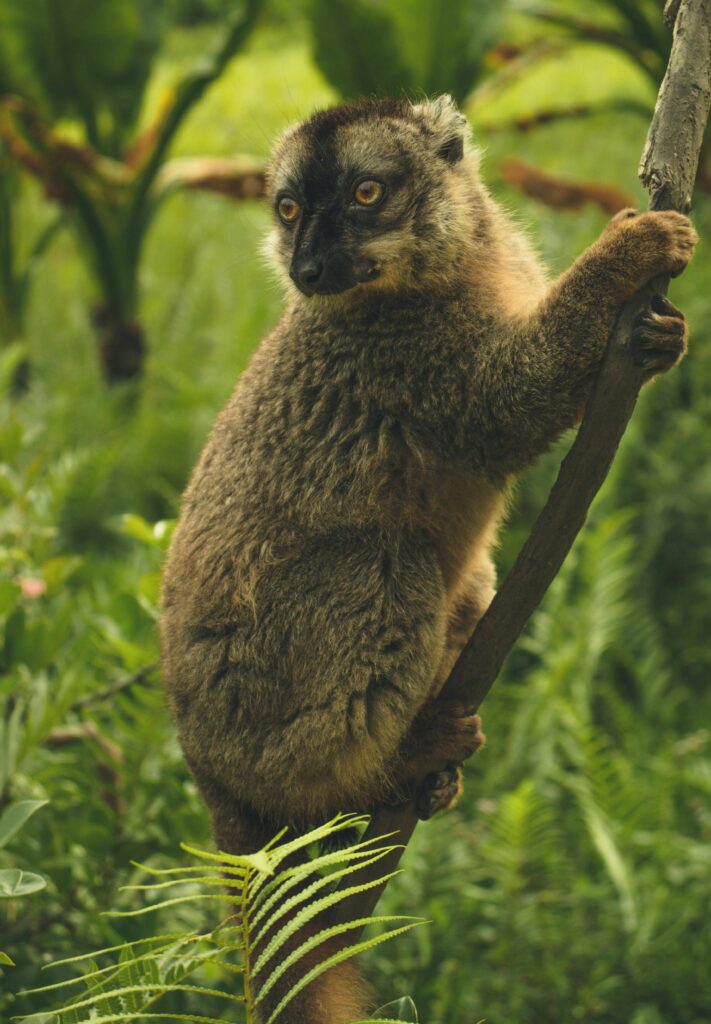
Situated on Nosy Be island, Lokobe National Park provides a quieter hiking experience within a dense coastal rainforest. This park is ideal for those looking to combine trekking with wildlife viewing.
- Highlights: Spot black lemurs, colorful frogs, and rare geckos, and enjoy serene views of mangroves and beaches.
- Difficulty Level: Easy to Moderate. Trails are well-marked and shaded.
- Preparation Tips:
- Bring mosquito repellent and a wide-brimmed hat for sun protection.
- Pair your hike with a guided canoe trip through the mangroves.
Essential Tips for Trekking in Madagascar
- Hire a Local Guide
Guides not only ensure safety but also enrich your experience with their knowledge of the flora, fauna, and local culture. - Plan for Remote Areas
Many off-the-beaten-path trails lack amenities like shops or accommodations. Carry essential supplies, including food, water, and first-aid kits. - Respect Local Customs and Environments
Some trails pass through sacred sites or areas with fady (taboos). Respect local traditions and follow Leave No Trace principles. - Pack Light but Smart
Essentials include sturdy hiking boots, lightweight clothing, sunscreen, insect repellent, and waterproof gear. - Check the Weather
Madagascar’s climate varies greatly by region and season. Research conditions for your chosen trek and plan accordingly.
Why Madagascar’s Trails Are Worth Exploring
Madagascar’s off-the-beaten-path hikes offer more than just beautiful landscapes—they provide a chance to connect with the island’s rich biodiversity and cultural heritage. Whether you’re navigating the sandstone canyons of the Makay Massif or trekking through the lush rainforests of Marojejy, these trails reveal a side of Madagascar that few get to see.
By embracing responsible travel practices and supporting local guides and communities, you can ensure your journey leaves a positive impact while creating memories that last a lifetime.