

As the sun sets over Madagascar, the island’s forests come alive with the sights and sounds of its nocturnal inhabitants. For nature enthusiasts, exploring Madagascar after dark offers a completely different perspective on its unique biodiversity. From tiny mouse lemurs to stealthy nocturnal chameleons, the nighttime reveals a secret world of fascinating creatures that are rarely seen during the day.
In this post, we’ll uncover the incredible nocturnal wildlife experiences Madagascar has to offer, the unique species to look out for, and tips for making the most of your nighttime adventures.
Why Explore Madagascar at Night?
Many of Madagascar’s species are nocturnal, meaning they are most active after the sun sets. This evolutionary adaptation helps animals avoid predators and the heat of the day. Night safaris provide the rare opportunity to witness these creatures in their natural habitats, offering a glimpse into their secretive lives.
With much less light pollution than major cities and more densely populated countries, you’ll also discover a stunning night sky, with thousands more stars than you’ve seen before, and the Milky Way clearly visible almost every day.
Nocturnal Wildlife Highlights
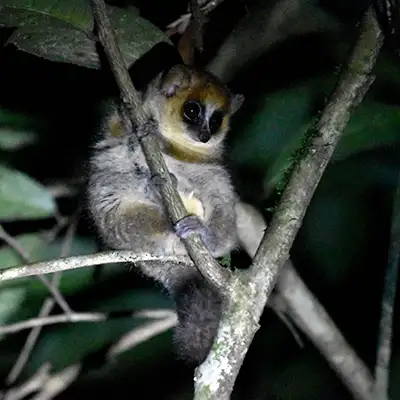
1. Mouse Lemurs: The World’s Smallest Primates
Mouse lemurs are among Madagascar’s most iconic nocturnal species. These tiny primates, some weighing less than an ounce, are known for their wide eyes and lightning-quick movements.
- Where to See Them: Kirindy Forest and Andasibe-Mantadia National Park are excellent locations to spot mouse lemurs.
- Fun Fact: The Madame Berthe’s mouse lemur, found in Kirindy Forest, is the smallest primate in the world.
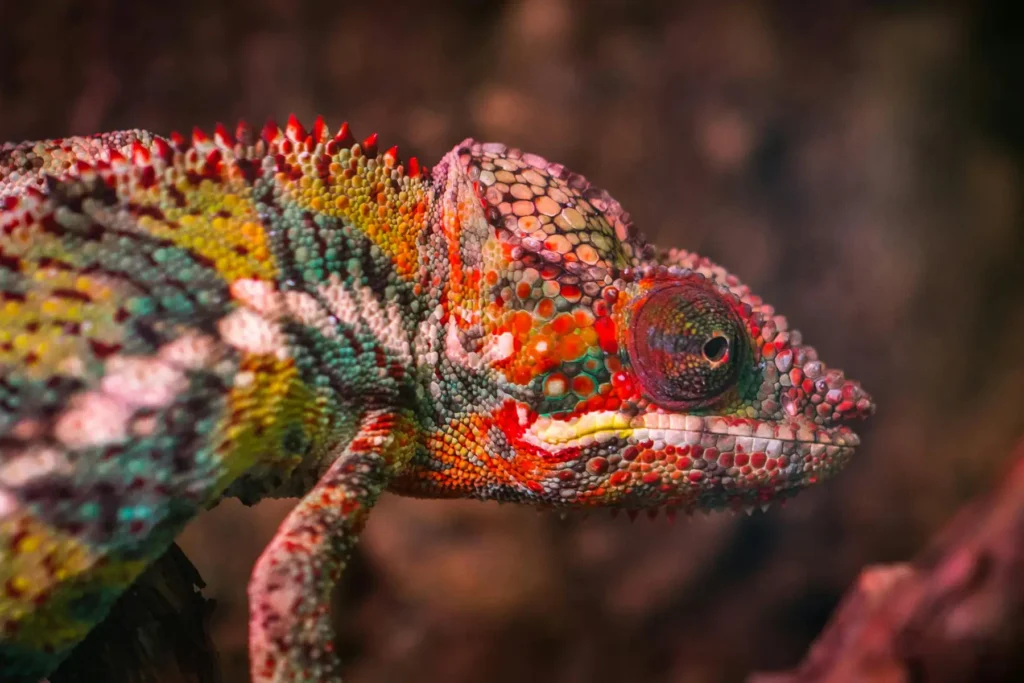
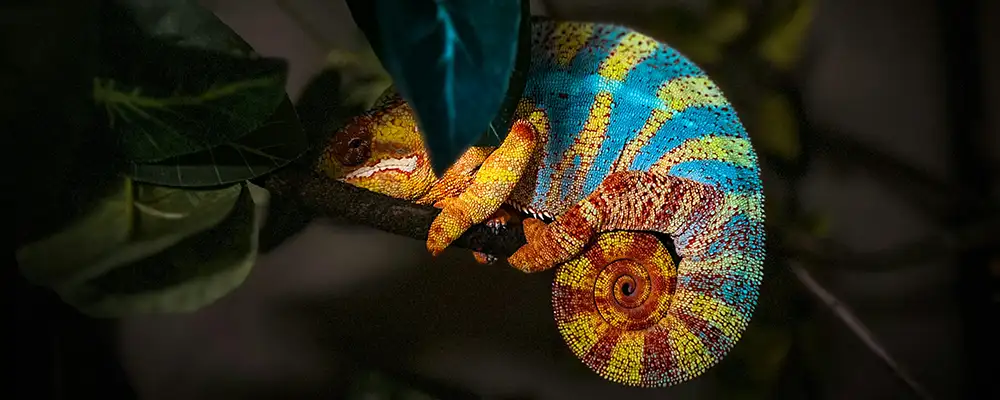
2. Night-Active Chameleons
While chameleons are often associated with daytime activities, many species rest on low branches and are easier to spot at night. Their bright, pale coloration under torchlight makes them stand out against the foliage.
- Where to See Them: Rainforests like Ranomafana National Park and Amber Mountain National Park are ideal for spotting sleeping chameleons.
- Pro Tip: Look for the Brookesia genus—these tiny, leaf-mimicking chameleons are masters of camouflage by day but easier to spot when motionless at night.
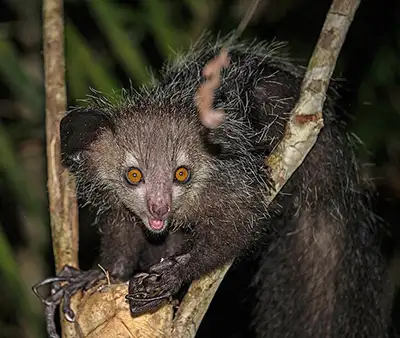
3. Aye-Ayes: Madagascar’s Mysterious Night Hunters
The aye-aye, with its elongated middle finger and nocturnal habits, is one of Madagascar’s most peculiar creatures. Known for tapping on tree trunks to find insects, the aye-aye is both fascinating and elusive.
- Where to See Them: Visit the Aye-Aye Island Reserve near Mananara or Nosy Mangabe for a chance to encounter this enigmatic species.
- Fun Fact: In Malagasy folklore, the aye-aye is considered a symbol of bad luck, which has contributed to its rarity.
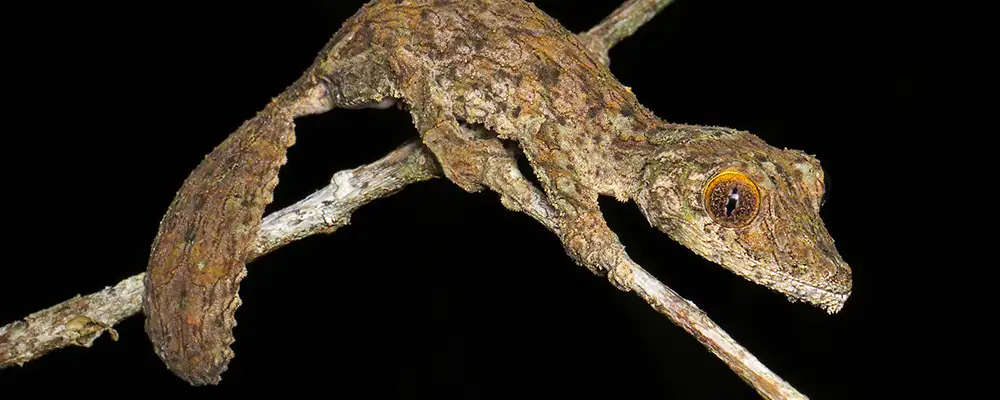
4. Leaf-Tailed Geckos: Masters of Disguise
Leaf-tailed geckos are among Madagascar’s most astonishing reptiles. These nocturnal creatures use their incredible camouflage to blend into tree bark, making them nearly invisible by day.
- Where to See Them: Andasibe-Mantadia National Park and Masoala National Park are known for their populations of leaf-tailed geckos.
- Pro Tip: Guides are essential for spotting these well-hidden reptiles. Their ability to mimic their surroundings is unparalleled.
5. Nocturnal Frogs and Insects
Madagascar’s rainforests come alive at night with the sounds of frogs and insects. Species like the Tomato Frog and various brightly colored tree frogs are particularly active during the wet season.
- Where to See Them: Ranomafana National Park and Masoala National Park are hotspots for amphibians and nocturnal insects.
- Pro Tip: Bring a macro lens to capture the intricate details of Madagascar’s smaller nocturnal residents.
Visit the Amber Mountain and Andasibe National Parks with our “Capital to Canopy” tour itinerary
Top Locations for Night Safaris in Madagascar
Andasibe-Mantadia National Park
Known for its guided night walks, this park offers excellent opportunities to see mouse lemurs, chameleons, and geckos (Check out our podcast about Andasibe here!).
Kirindy Forest
A prime destination for nocturnal exploration, Kirindy is famous for spotting fossas, mouse lemurs, and other unique wildlife. Best enjoyed as part of our Madagascar Legends Riverboat tour.
Ranomafana National Park
Its lush rainforests are home to nocturnal frogs, insects, and lemurs, making it a favorite for nighttime expeditions.
Amber Mountain National Park
Located in northern Madagascar, this park is perfect for seeing chameleons, geckos, and other nocturnal reptiles.
Masoala National Park
A remote and biodiverse park that offers the chance to see aye-ayes, frogs, and nocturnal birds like the Madagascar long-eared owl.
Tips for Nocturnal Exploration
- Hire a Local Guide
Guides are invaluable for spotting nocturnal creatures and understanding their behaviors. Their trained eyes can detect wildlife you might otherwise miss.
- Bring the Right Equipment
- Torch or Headlamp: A red-filtered light is ideal to avoid startling wildlife.
- Binoculars: Useful for spotting animals in the trees.
- Camera with Low-Light Capability: Ensure you have a good ISO range for nighttime photography.
- Dress for the Environment
Wear lightweight, long-sleeved clothing to protect against insects, and bring a rain jacket if exploring during the wet season.
- Stay Quiet and Patient
Nocturnal animals are often shy. Move slowly, avoid loud noises, and give the creatures plenty of space to minimize disturbance.
- Respect Wildlife and Habitat
Stick to designated trails and follow your guide’s instructions to ensure a low-impact visit.
Why Night Safaris Are Essential for Madagascar Travelers
Madagascar’s nocturnal wildlife offers a unique perspective on the island’s ecosystems. Night safaris allow travelers to witness behaviors and species that are rarely seen during the day, adding depth and excitement to the experience. From the eerie calls of the night to the thrill of spotting a mouse lemur darting through the trees, Madagascar after dark is unforgettable.
By participating in responsible nighttime explorations, you’ll not only create lasting memories but also contribute to the conservation of Madagascar’s unique wildlife and habitats.
Banner photo by Jobert Enamno: https://www.pexels.com/photo/starry-night-sky-8022685/